Albania's Heart
Package Overview
Tirana – Elbasan – Durres - Kruje
Trip Duration: 4 Days
Available for: Children
Language: Albanian, Arabic, English, Spanish, Italian, French, German.
Tour itinerary:
The trip will start from the heart of Albania (Tirana), will have a city tour in the morning, and then enjoy the afternoon and evening night in the capital, then in the next morning (2nd day) will head to Elbasan city to visit and spend the day there, then return to Tirana. In the 3rd day morning, we head to Durres city by the see and enjoy all day there and return in the evening to Tirana, the 4th day we head to Kruje to spend the day there and return in the evening to Tirana.
Day 1: Tirana City Tour 2hr.-3hr.
Day 2: Tirana - Elbasan Distance: 39.2 km – 45 min
Day 3: Tirana - Durres Distance: 38 km – 55 min.
Day 4: Tirana - Kruje Distance: 1 h 5 min. 40 km.
1 Tirana City Tour
Tirana City Tour - View 1
Tirana City Tour - View 2
Tirana City Tour - View 3
Tirana City Tour - View 4
Tirana City Tour - View 5
Tirana City Tour - View 6
Tirana City Tour - View 7
Tirana City Tour - View 8
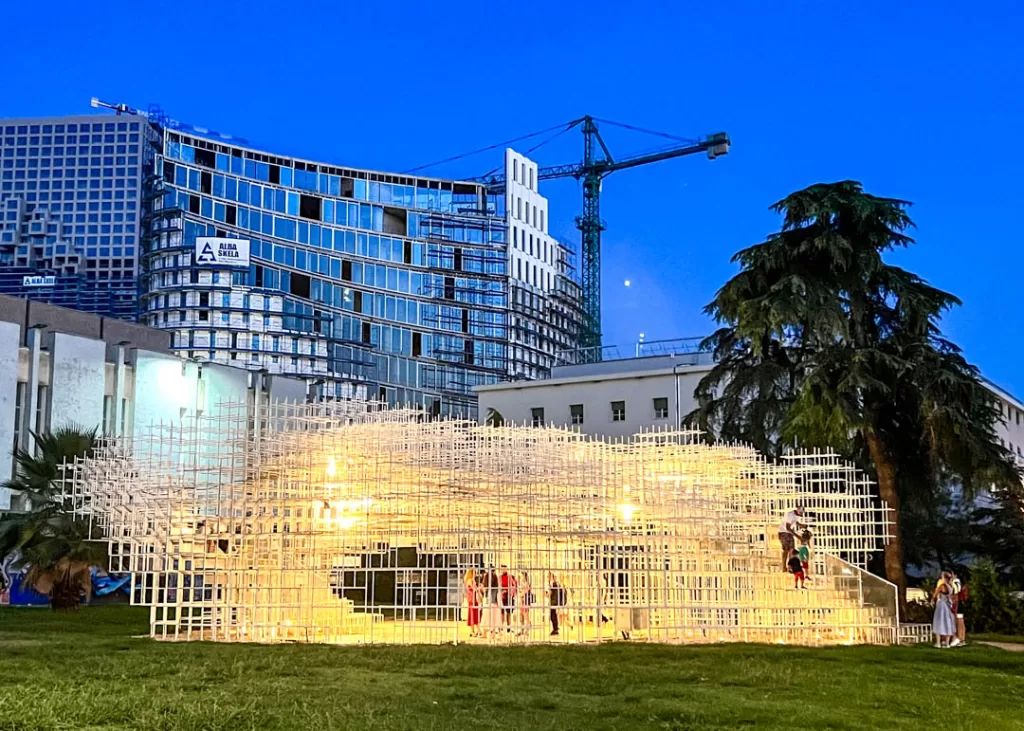
Tirana City Tour - View 9
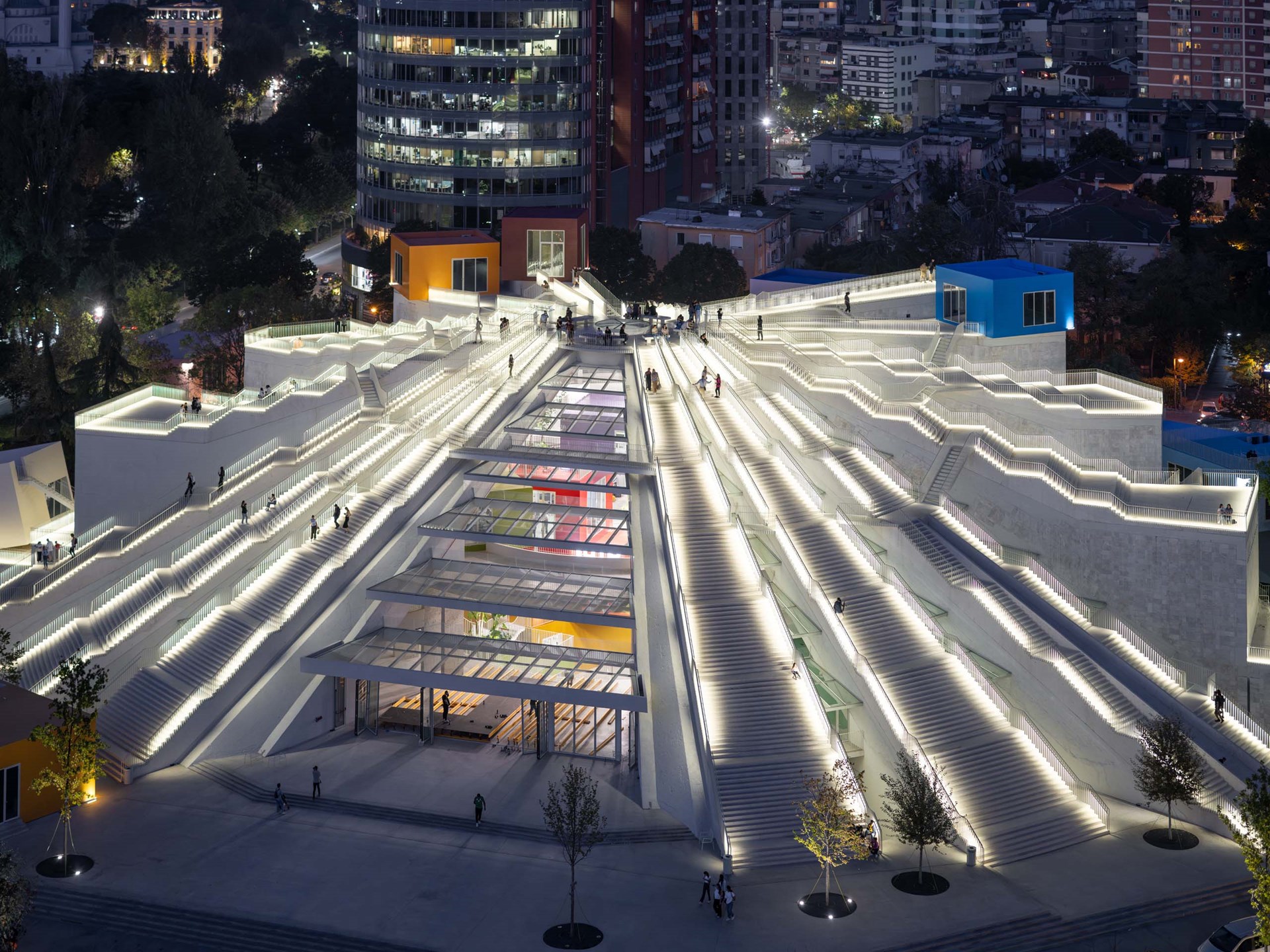
Tirana City Tour - View 10
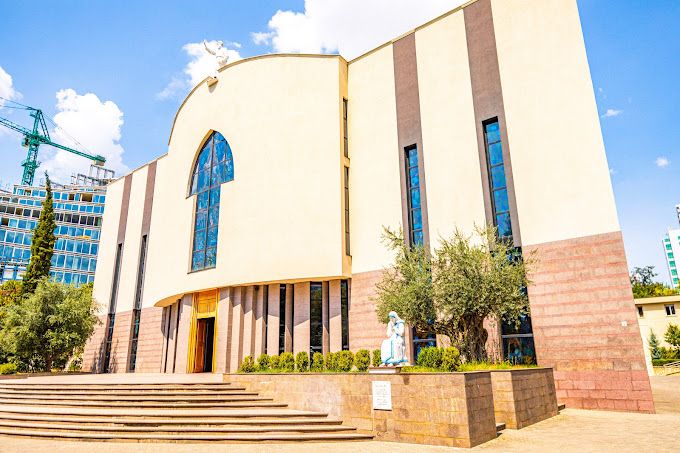
Tirana City Tour - View 11
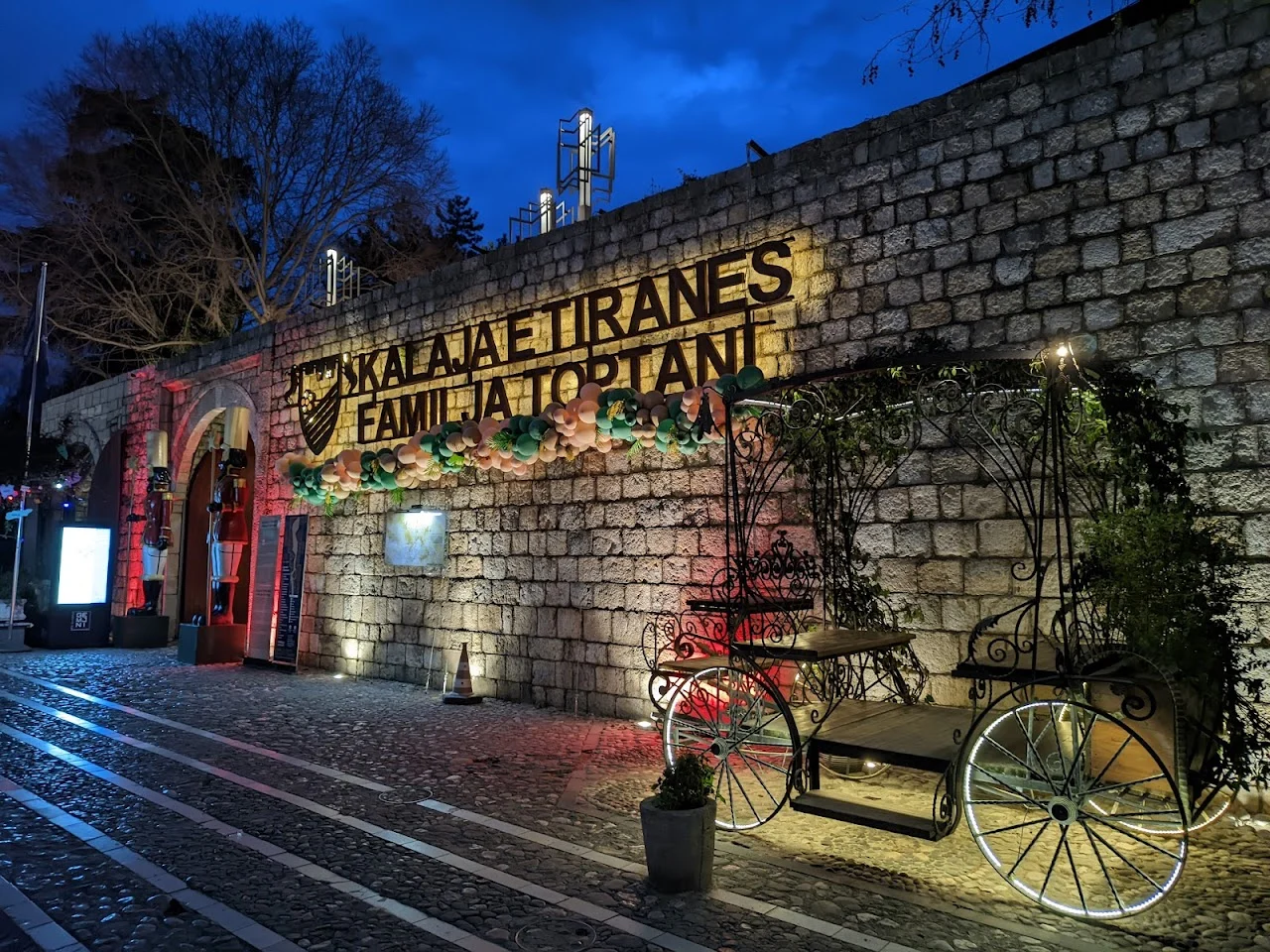
Tirana City Tour - View 12
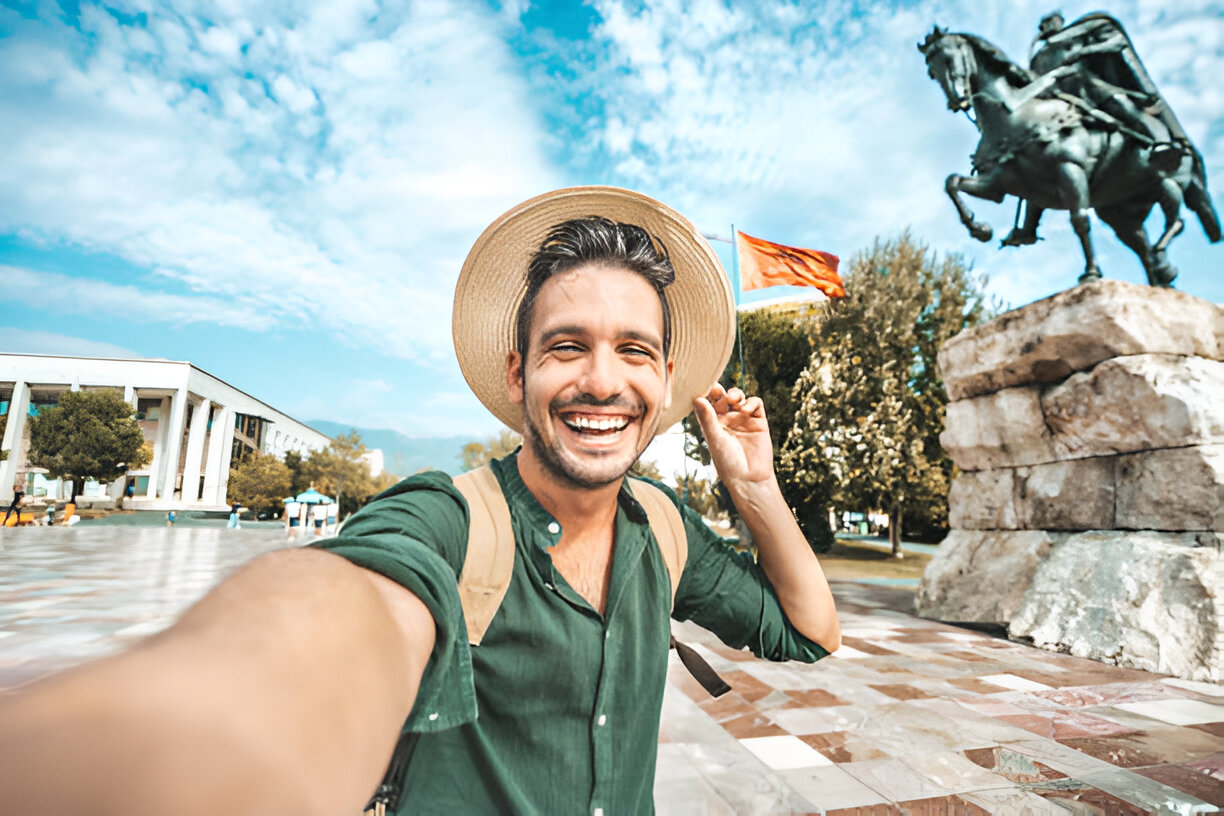
Tirana City Tour - View 13
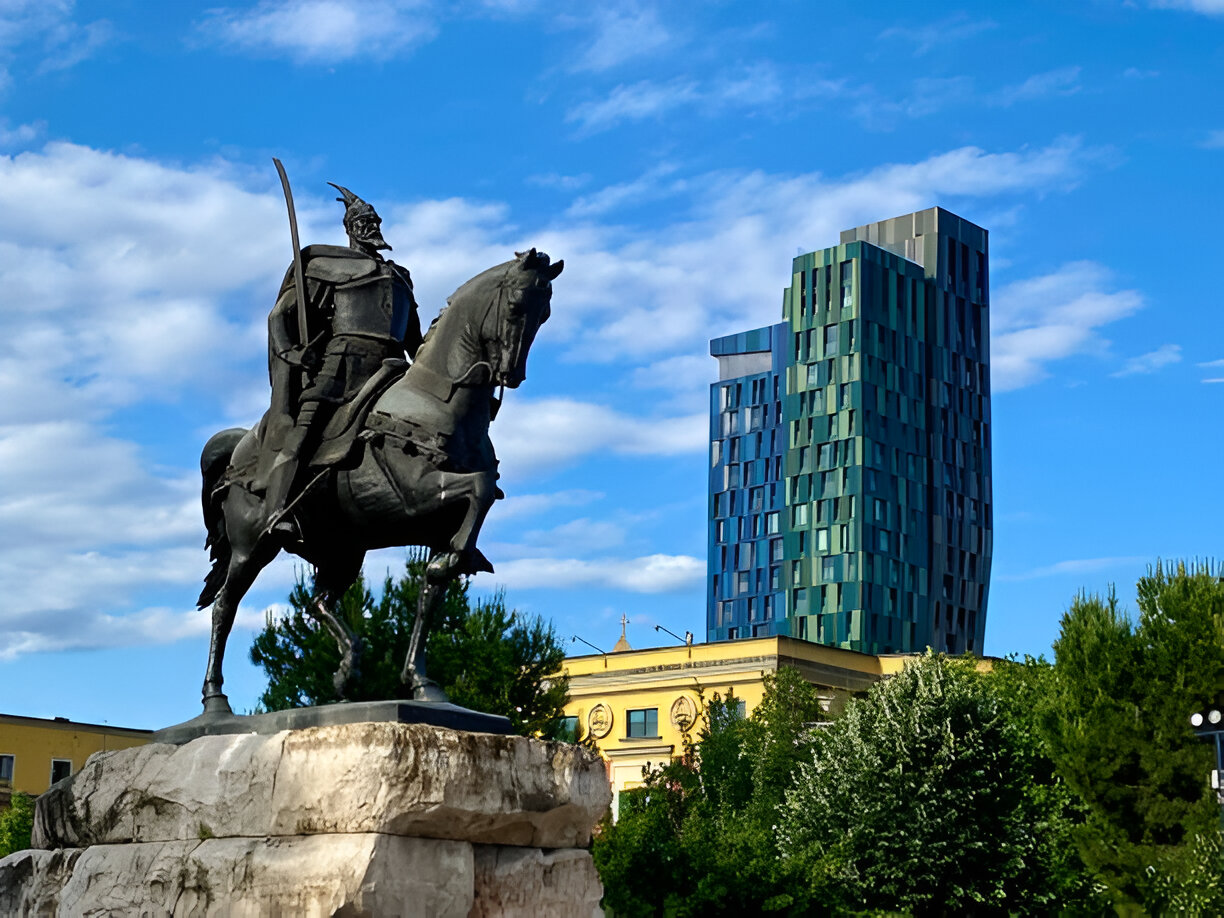
Tirana City Tour - View 14
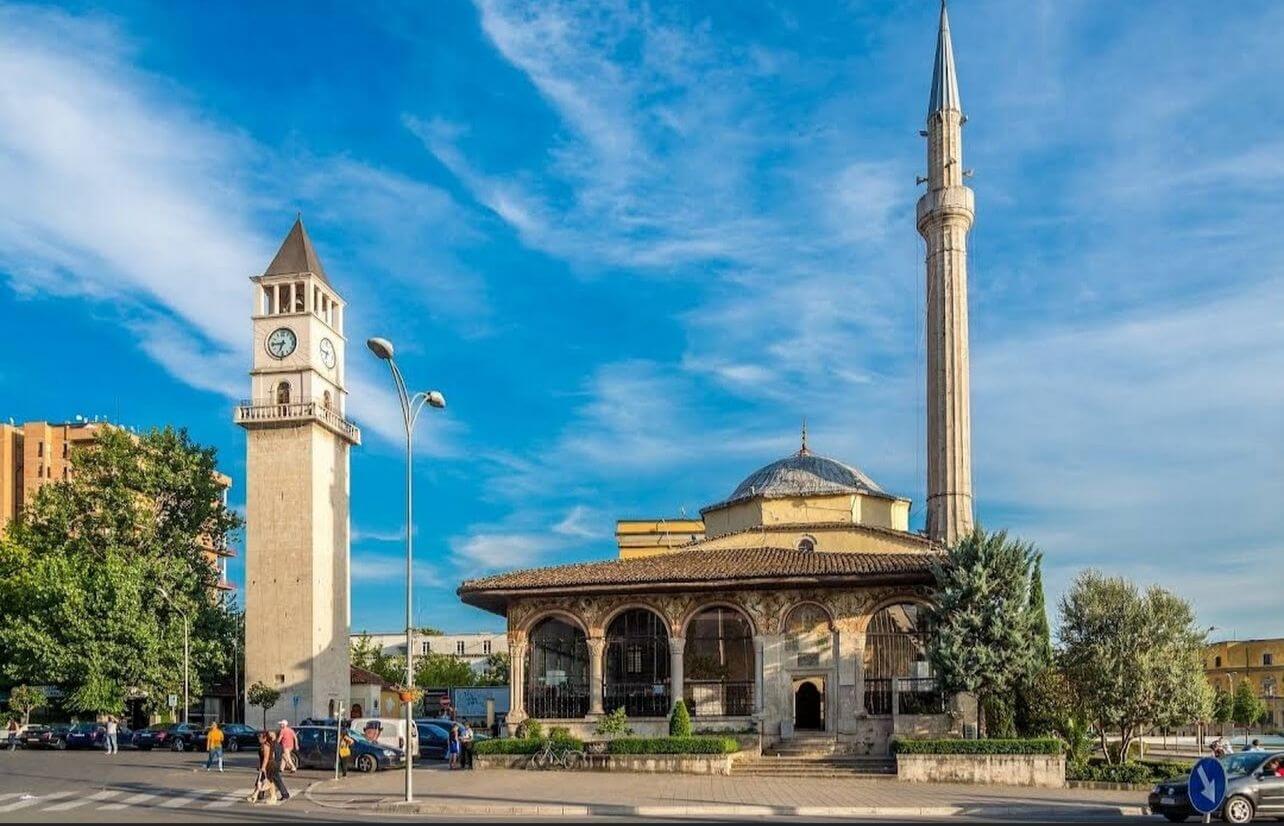
Tirana, the capital and largest city of Albania, is the country's cultural, economic, and political center. Established in 1614 by Sulejman Bargjini, a local Ottoman ruler, the city has grown rapidly, especially after becoming the capital in 1920. Tirana is known for its colorful buildings, vibrant streets, and rich history, blending Ottoman, Italian, and Communist-era architecture. Skanderbeg Square, the city's central plaza, is home to key landmarks such as the National History Museum, Et'hem Bey Mosque, and the Clock Tower.
The city's atmosphere is lively, with a mix of traditional and modern influences. Blloku, once an exclusive area for Communist elites, is now a trendy district filled with cafes, restaurants, and nightlife spots. The Grand Park of Tirana offers green spaces and a peaceful retreat, while Mount Dajti, accessible by cable car, provides stunning views of the city.
Tirana also boasts a growing arts scene, with museums, galleries, and cultural events celebrating Albania’s heritage and contemporary creativity.
In recent years, Tirana has undergone significant urban transformation, improving infrastructure and sustainability. The city is working to become more pedestrian-friendly, with new public spaces and bike lanes. It is also a hub for international diplomacy, hosting embassies and conferences. As Albania moves towards European integration, Tirana plays a crucial role in shaping the country’s future while preserving its unique identity and historical roots.
The list of attractions in the tour:
1.Scanderbeg Square
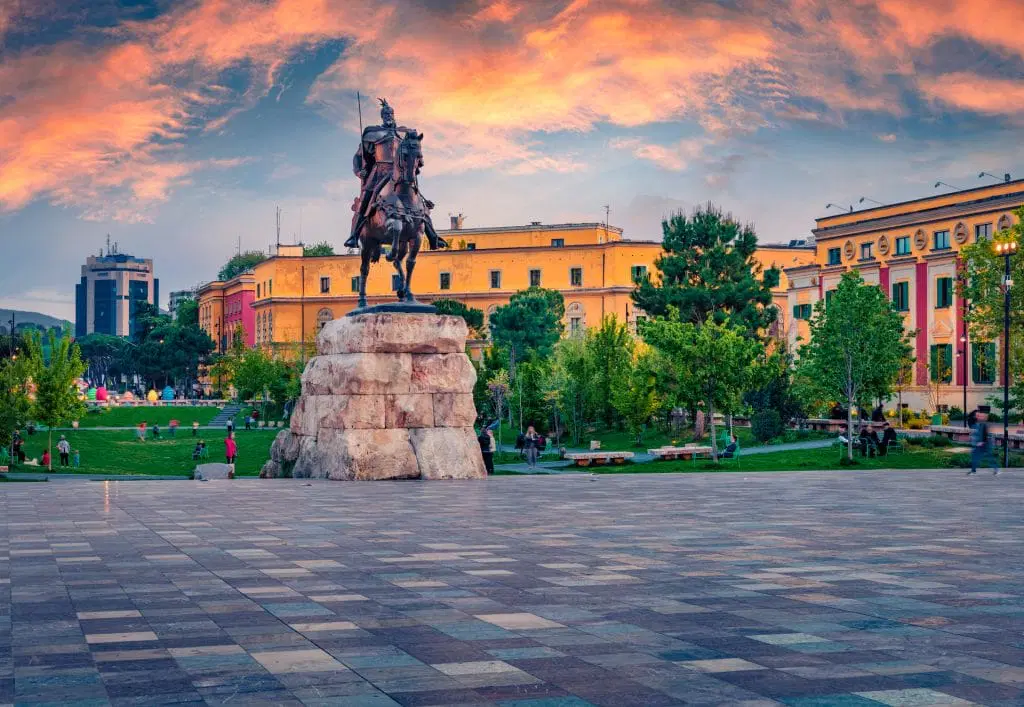
"Skënderbej" Square is the main square of Tirana with an area of 40,000 m², which makes it the largest square in Albania.
"Skënderbej" Square is the main square located in the center of Tirana, Albania. The square is named after the Albanian national hero Gjergj Kastrioti Skënderbeu. The square is surrounded by the Palace of Culture, the Tirana Hotel, the National Museum and the Bank of Albania.
2.Et’hem Beu Mosque:
Et'hem Beu Mosque is located in the center of Tirana. It began to be built by Mulla Bey who came from Petrela in 1789. It was completed in 1821 by Mulle Bey's son, Haxhi Et'hem Bey. The mosque was in the final stages of construction and the erection of the tower next to the mosque was becoming an inseparable element of local tradition.
3.New Bazar:
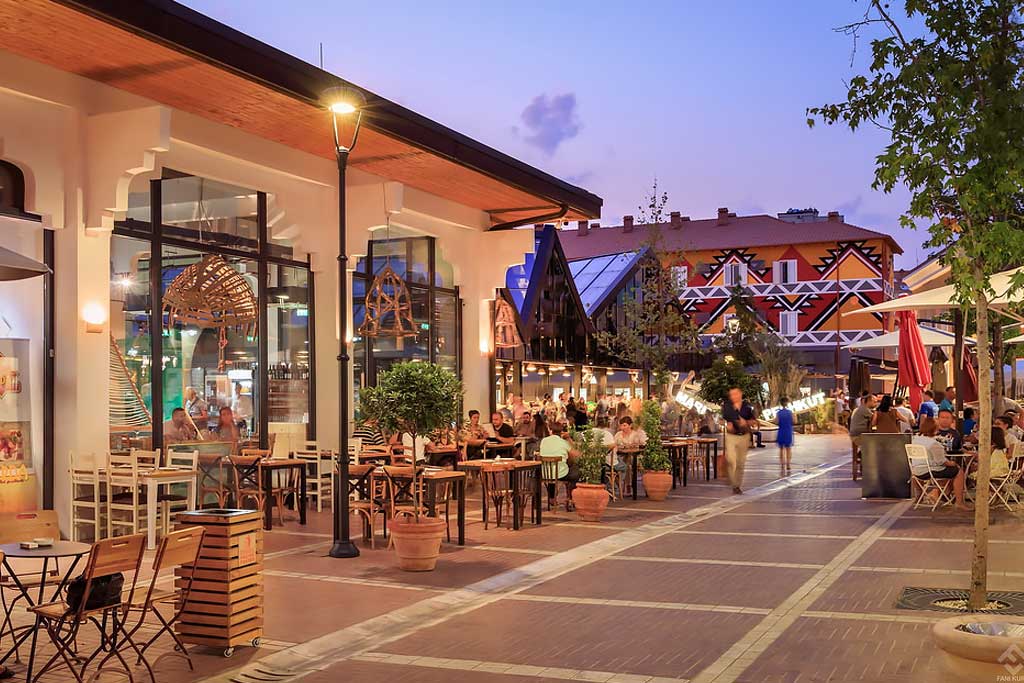
Visit of the new bazar and its surroundings of the street art and restaurants.
The New Market is located in Avni Rustemi Square, 8 minutes from the center of Tirana and has become the newest attraction of the city. Before the inauguration, the New Bazaar was not so attractive, where traders sold their products in not very good conditions. The New Bazaar was an investment the city needed, as the area had lost its beauty and authenticity.
4.Tirana Castle:
The castle is located in the center of the capital of Albania, Tirana, and is one of its most frequented areas. Tirana Castle is a monument of cultural heritage, approved in 1973. It represents a fortification with a rectangular plan measuring 160x120 m.
5.The San Pietro Cathedral:
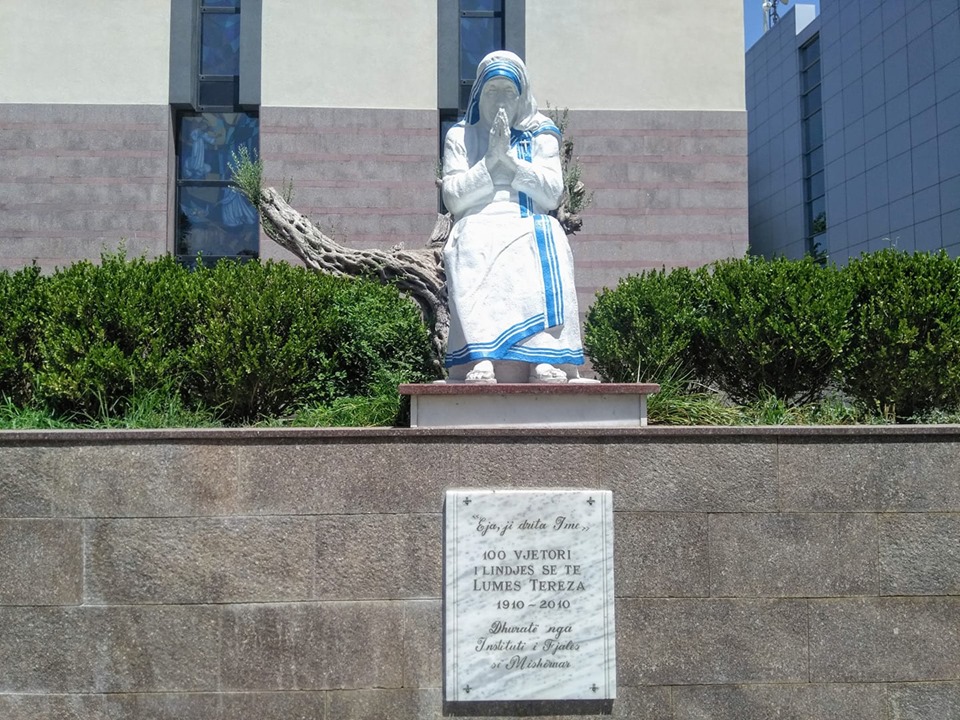
The cathedral was built at the end of 2001 and is one of the largest and newest cathedrals in Tirana. It belongs to the Catholic Archdiocese of Tirana-Durra. Its name recalls the Apostle Paul as the first evangelist of the Albanian lands, in 52 AD. In a letter addressed to the Romans, Saint Paul declares that: "he took the holy word from Jerusalem and around to Illyria". Inside the cathedral there is a monument to Mother Teresa and that of Pope John Paul II.
6.The Pyramid of Tirana:
The "Pjeter Arbnori" International Culture Center, Pyramid or Former "Enver Hoxha" Museum was built and inaugurated as the "Enver Hoxha" museum in 1988 in Tirana, that is, three years after the death of Enver Hoxha.
7.Mother Teresa Square:
The Mother Teresa Square (Albanian: Sheshi Nënë Tereza) is the second largest square in Tirana, Albania. It is named after the Albanian-born Indian Roman Catholic nun, missionary and Nobel Peace Prize laureate Mother Teresa.
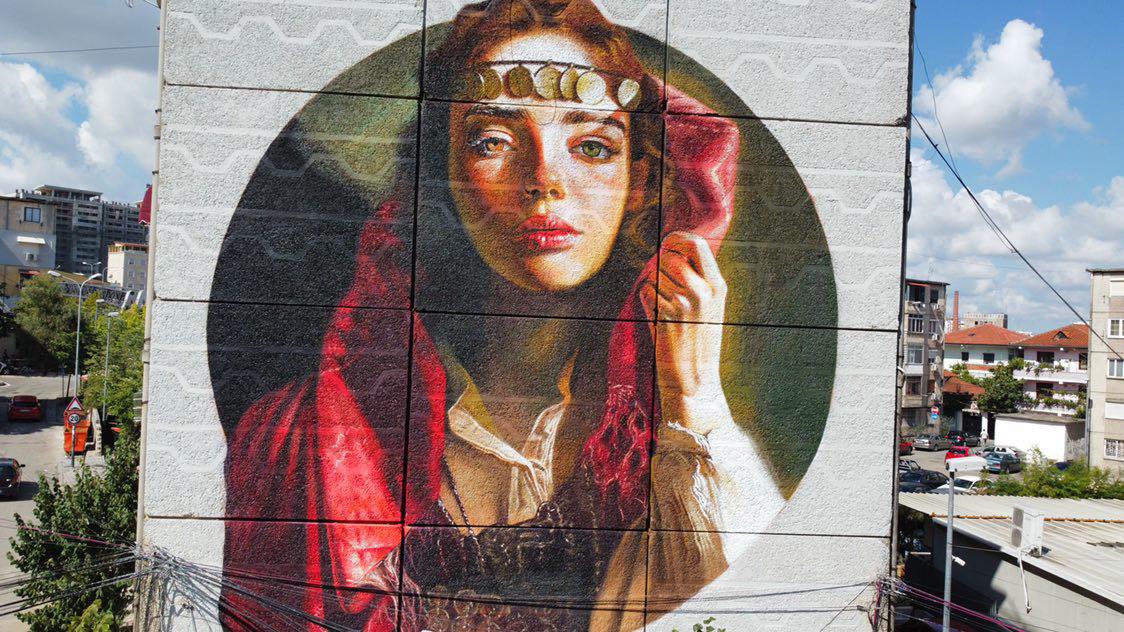
8.Beautiful murals Tirana:
Tirana,the capital of Albania,is known for its vibrant street art scene,incuding several impressive murals.Over the years,the city has embraced colorful murals as part of ani urban renewal effort to bring energy and art to publc spac.
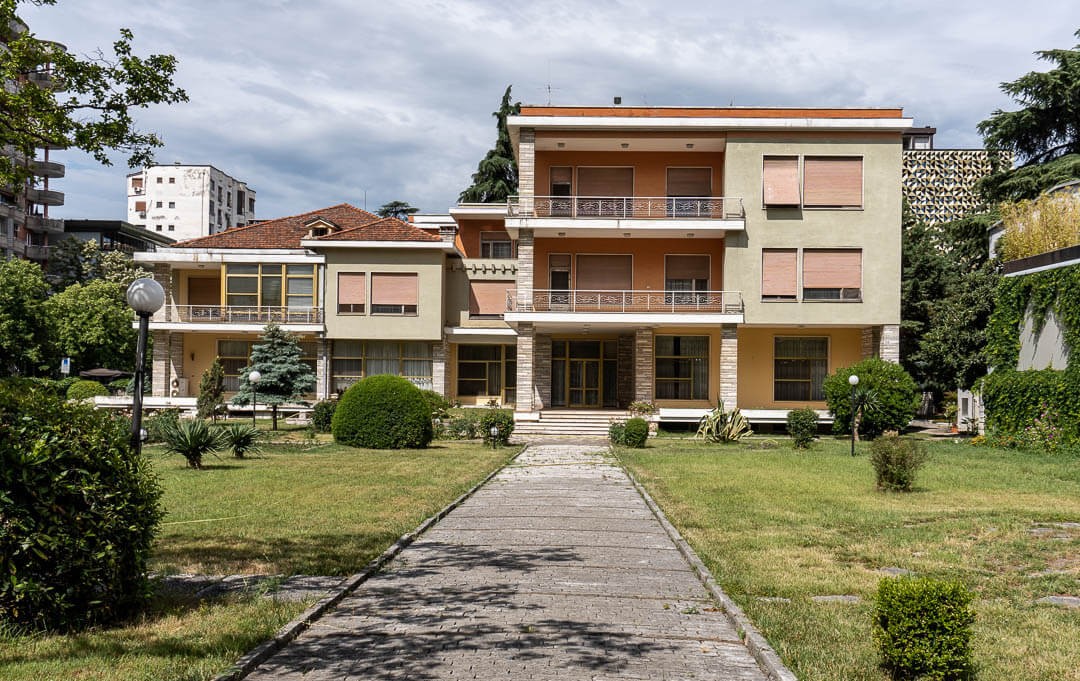
9.Enver Hoxha former residence
As soon as he came to power, Enver Hoxha settled in the "Dajti" hotel in Tirana. A few days later he liked a house built in 1942 by an Italian, Velleda Lucia Costa. Koçi Xoxe lived in the next house next to it (to the east) belonging to the owner Qemal Biçakçiu.
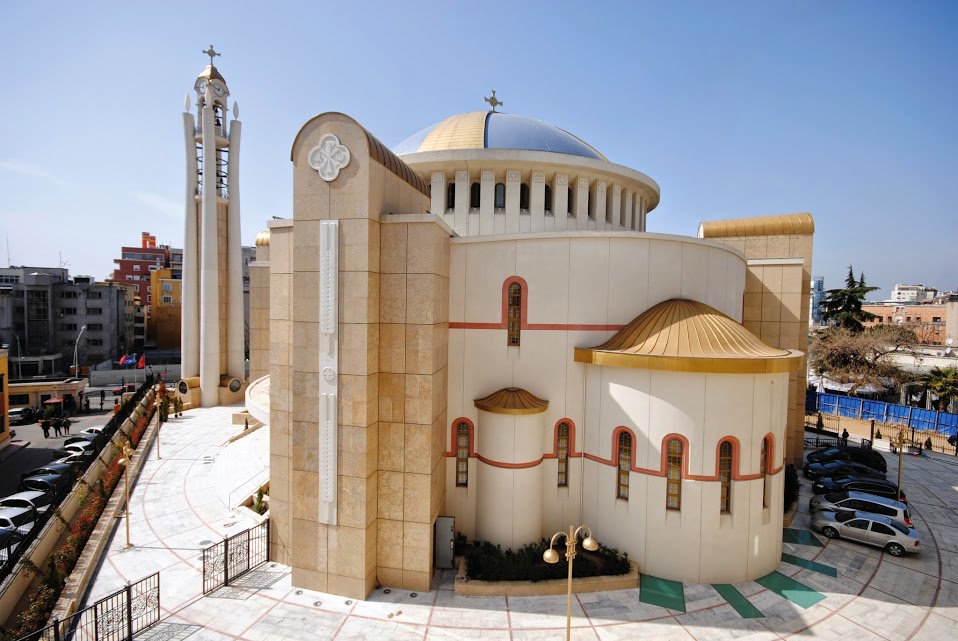
10.The Autocephalous orthodox Cathedral:
Is an Eastern Orthodox Church widespread in Albania. It ranks 13th in the diptychs of the Patriarchate of Constantinople (Istanbul, Turkey) and 12th in the diptychs of the Moscow Patriarchate. Its primate holds the title "His Beatitude, Archbishop of Tirana, Durrës and all of Albania". Since 1992 this role has been played by Archbishop Anastas Janullatos.
11.The cloud “REJA”:
The installation 'Cloud' by the Japanese artist Sou Fujimoto is a monumental work of art and a modern space for cultural life in Tirana. Since 2017, "Reja" has served as a space for cultural and artistic events in the capital.
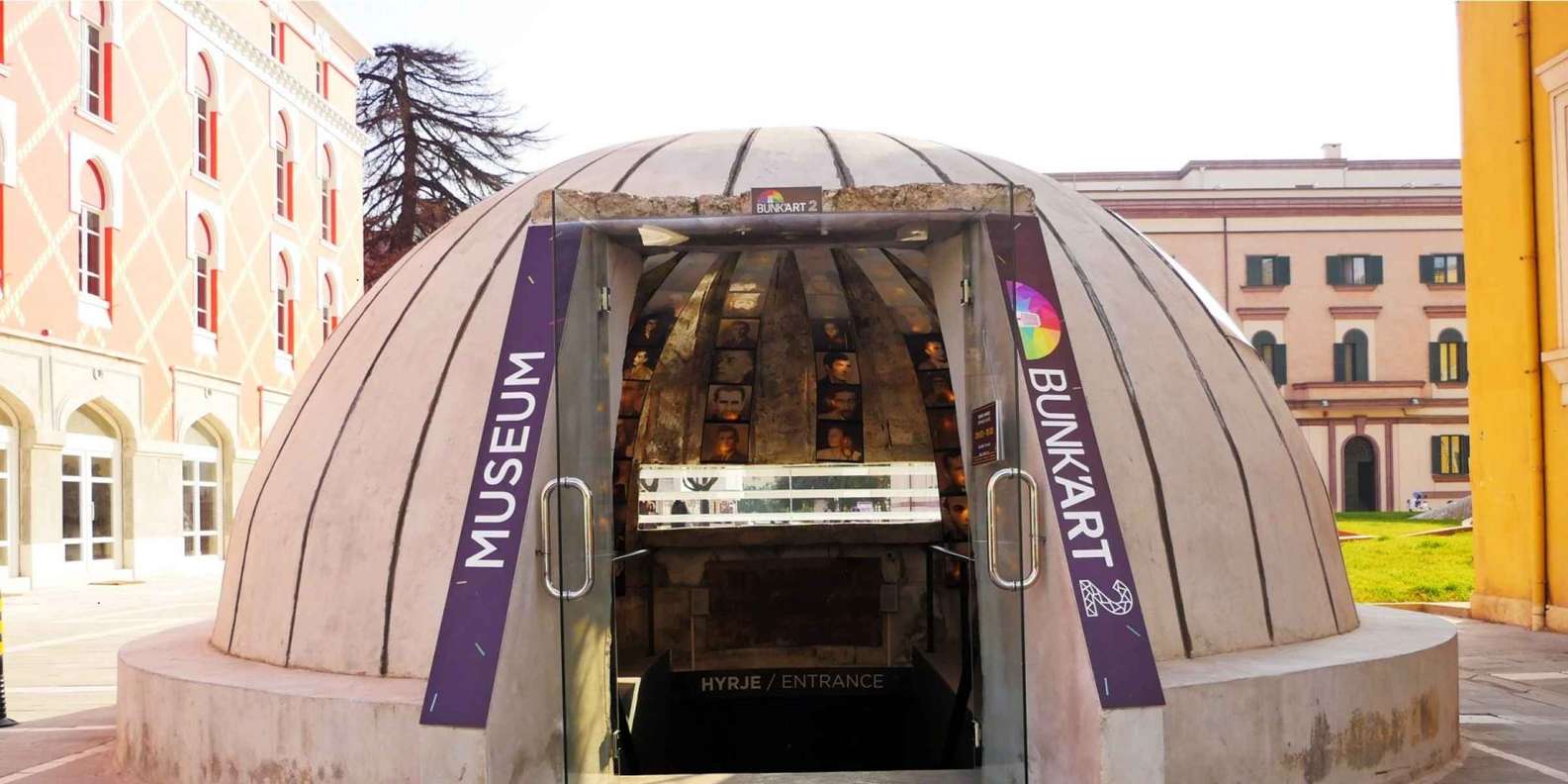
12. Bunk'Art (extra 1 hour – Entrance fees: €4-5 Euros)
Such a bunker with 5 underground floors was built between 1972 and 1978, with 106 and an Assembly Hall, where objects that were used by former communist leaders in the years 76'-80' are exhibited, is located in the area known as Shish Tufina, in Tirana.
2 Day 2 Elbasan
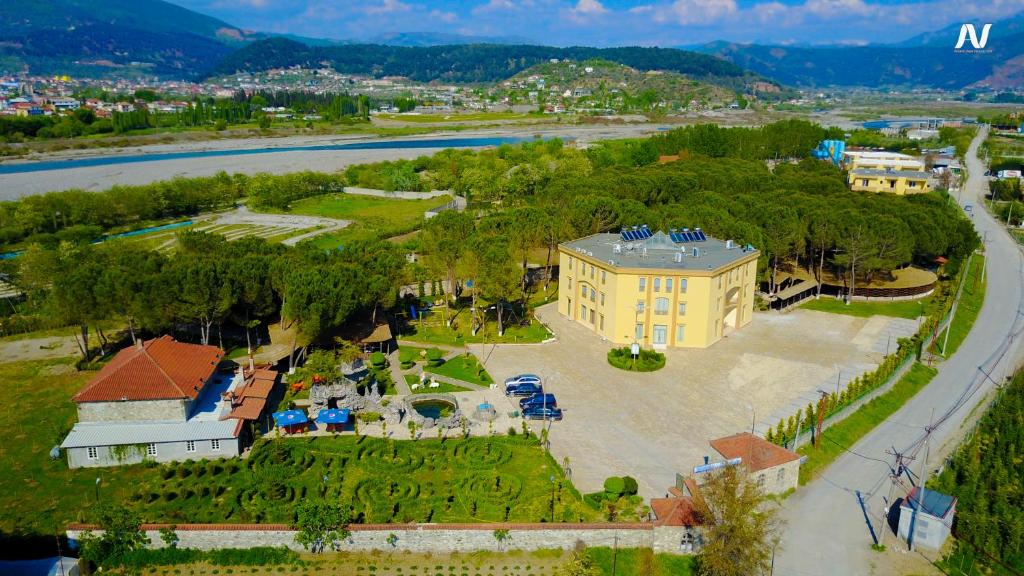
Day 2 Elbasan - View 1
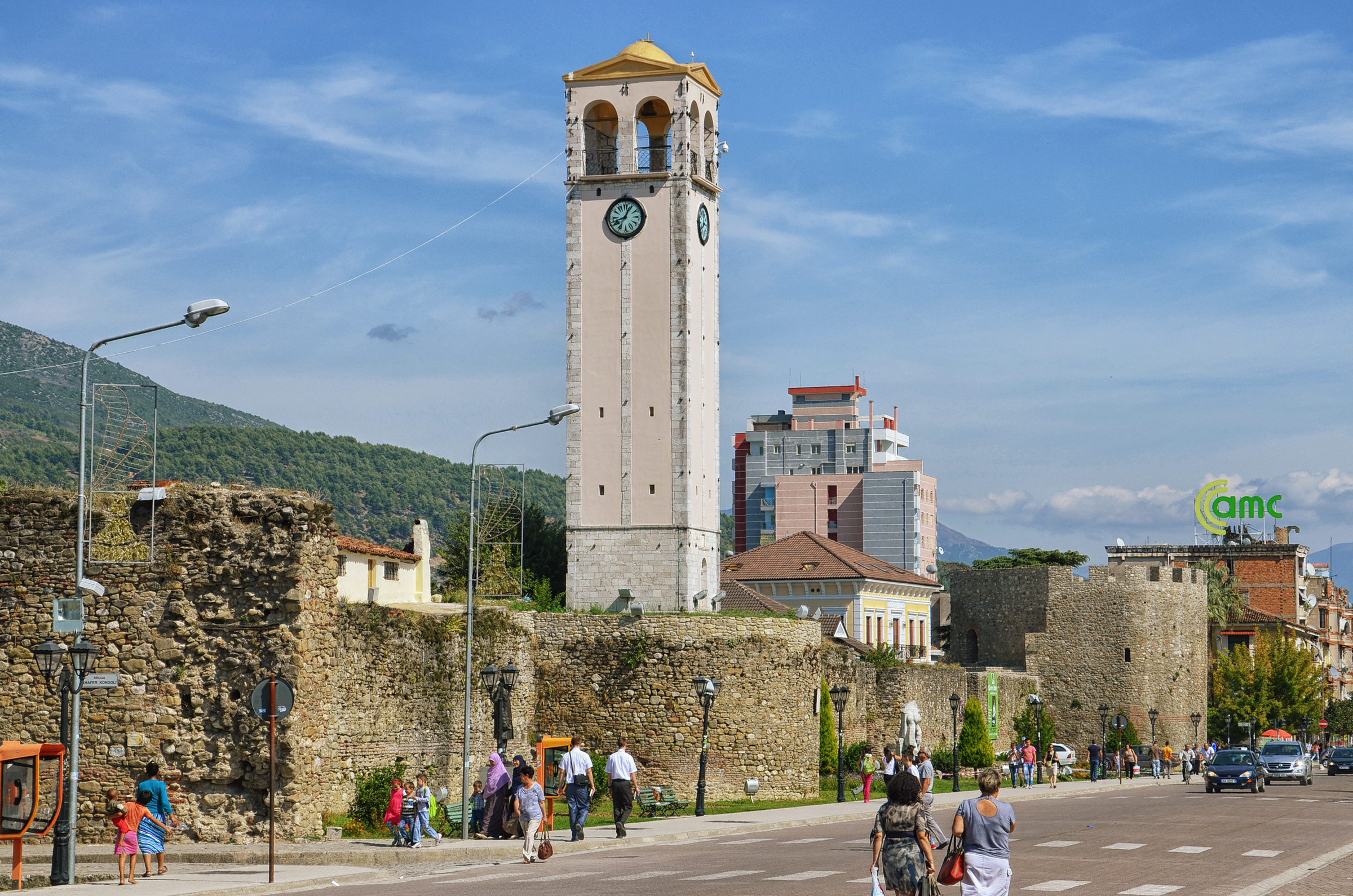
Day 2 Elbasan - View 2
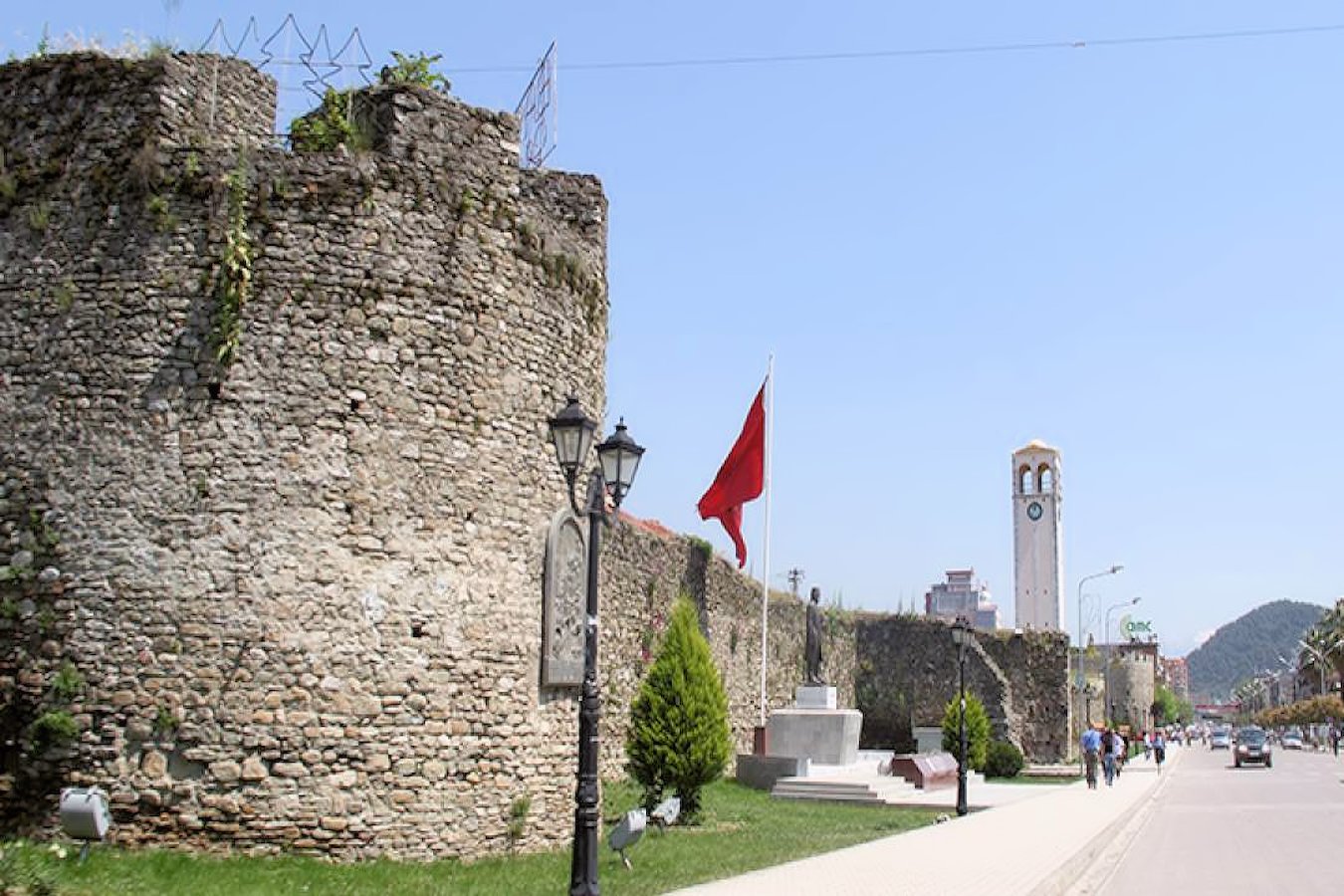
Day 2 Elbasan - View 3
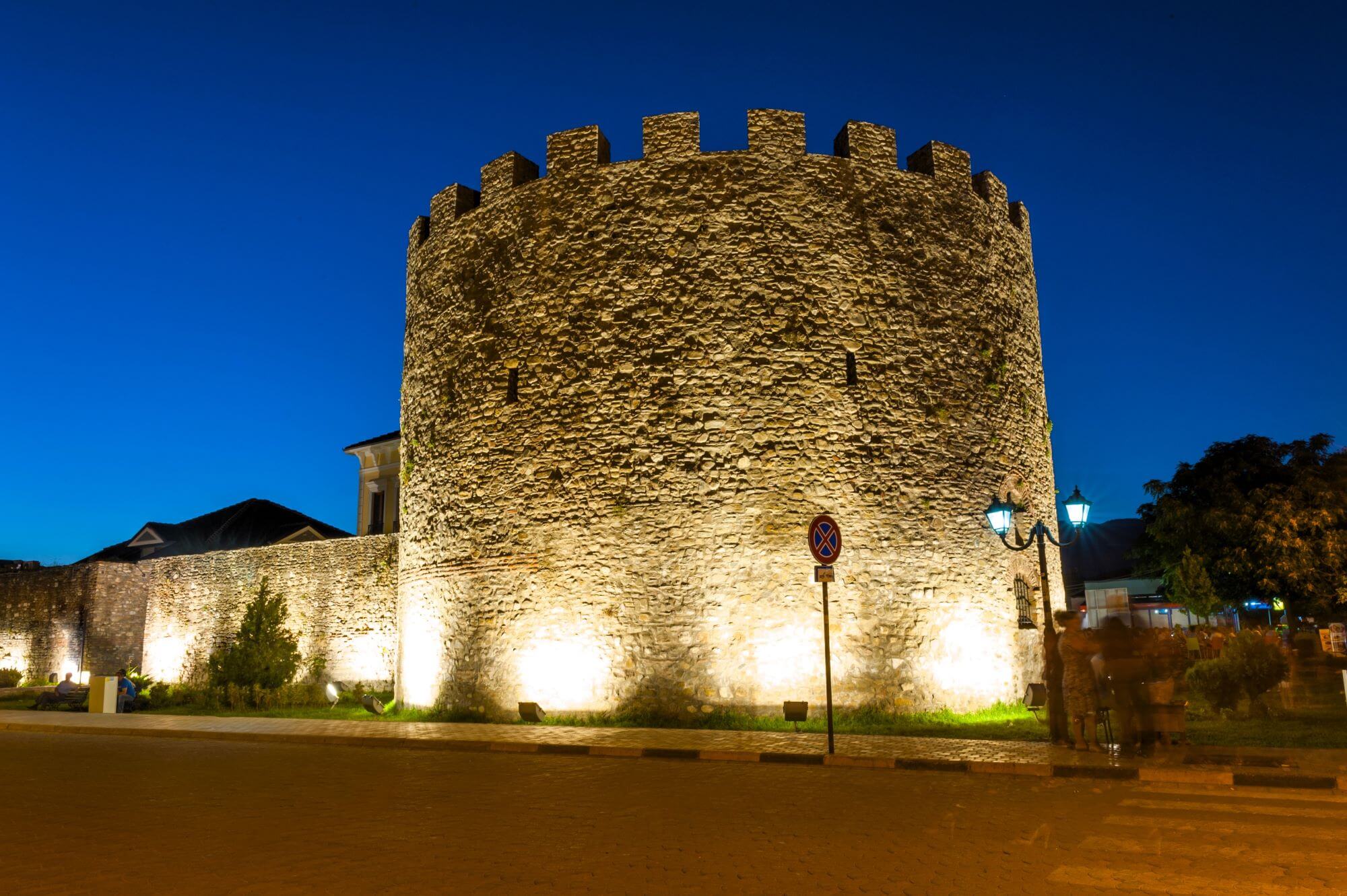
Day 2 Elbasan - View 4
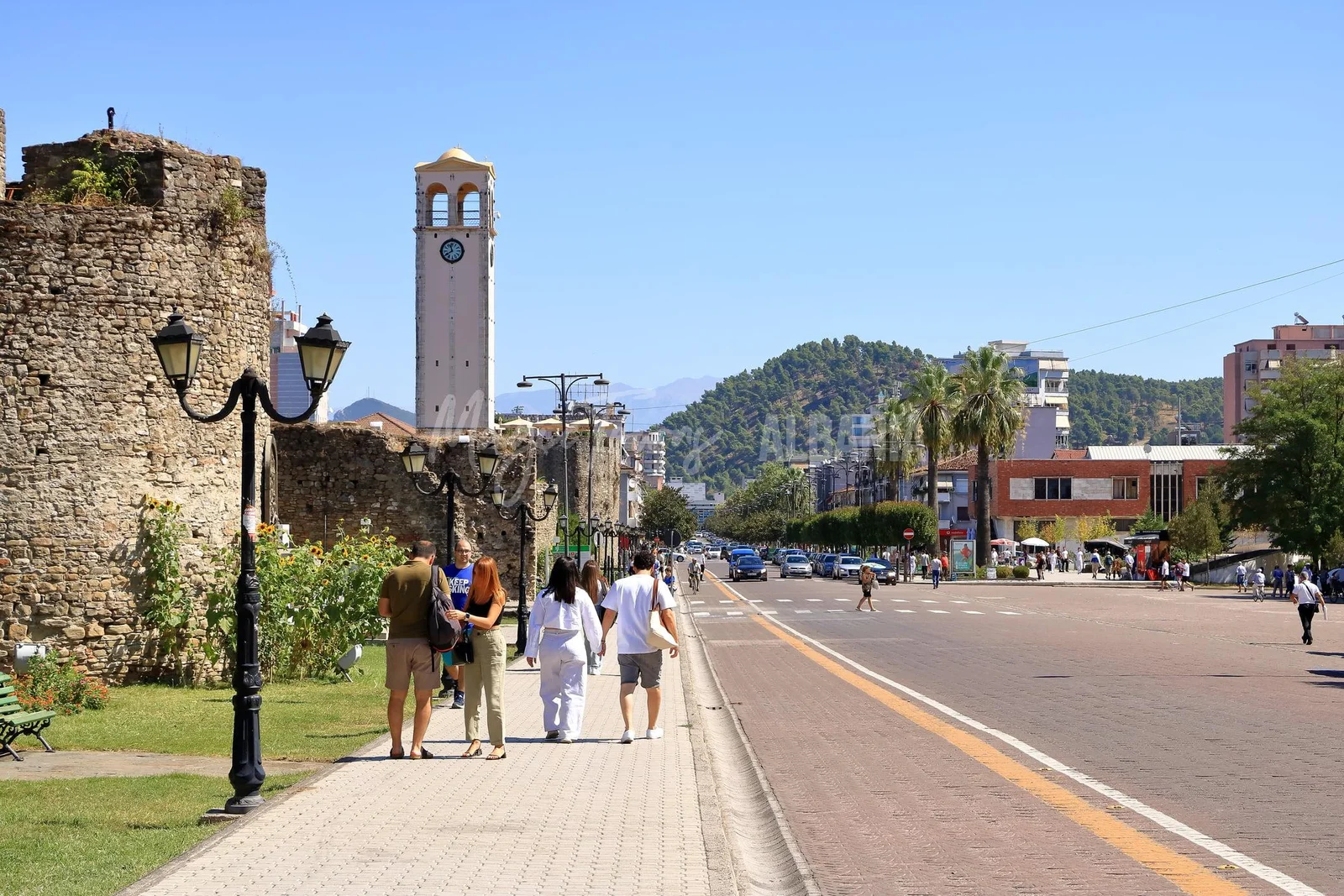
Day 2 Elbasan - View 5
Day 2: Tirana - Elbasan:
Distance: 39.2 km – 45 min
Trip Duration: 5-6 hours
Elbasan is a city located in central Albania, known for its rich history, cultural significance, and vibrant atmosphere. Here’s an in-depth look at Elbasan:
________________________________________
Geographical Overview
• Location: Situated in central Albania, Elbasan lies on the banks of the Shkumbin River.
• Elevation: Approximately 150 meters (490 feet) above sea level.
• Proximity: Around 35 kilometers (22 miles) south of Tirana, the capital of Albania.
________________________________________
Historical Background
• Ancient Origins: Known in antiquity as Scampis, Elbasan was originally a settlement in the Roman Empire. It played a strategic role due to its location on the Via Egnatia, an important trade and military route connecting Rome to Byzantium (modern-day Istanbul).
• Ottoman Era: The city flourished under Ottoman rule, gaining its modern name, which means "Fortress" in Turkish. Many structures from this period remain intact today.
• Modern Era: Elbasan has been a significant industrial and cultural hub in Albania, particularly during the 20th century.
________________________________________
Population and Demographics
• Population: Approximately 80,000 people (as of the latest estimates).
• Ethnic Composition: Predominantly Albanian with small minority groups.
• Religious Diversity: Includes Muslims, Orthodox Christians, and Catholics, reflecting Albania’s historically multi-religious society.
________________________________________
Key Attractions
1. Elbasan Castle:
o A 15th-century fortress built by the Ottomans on the ruins of earlier Roman and Byzantine structures. The walls and some interior buildings have been preserved.
2. Via Egnatia:
o Ancient Roman road remnants can be found in and around the city.
3. King Mosque (Xhamia Mbret):
o Built in the 15th century, this is one of the oldest mosques in Albania and is still functional.
4. Ethnographic Museum:
o Offers a glimpse into the region’s cultural heritage, showcasing traditional costumes, tools, and artifacts.
5. Saint Mary Church:
o A historic Orthodox church located near the castle.
________________________________________
Economy
• Industries:
o Elbasan has historically been an industrial hub, particularly during the communist era, with significant iron and steel production facilities.
o Today, the economy is more diversified, with sectors like agriculture, trade, and services contributing to growth.
• Agriculture:
o The surrounding region is fertile and known for producing olives, grapes, and various fruits.
________________________________________
Culture
• Festivals:
o Celebrates traditional Albanian holidays and cultural events, including the Summer Day Festival (Dita e Verës), a national holiday originating from Elbasan.
• Cuisine:
o Known for its byrek (savory pie), lamb dishes, and desserts like ballokume, a traditional sweet made during the Summer Day Festival.
________________________________________
Transportation
• Road: Elbasan is connected to Tirana and other cities via highways, including the recently constructed Elbasan-Tirana tunnel, which has significantly reduced travel time.
• Bus and Minibus Services: Provide regular connections to other parts of Albania.
• Rail: While the railway system exists, it is underdeveloped compared to road transport.
________________________________________
Education and Institutions
• University of Elbasan: One of the leading universities in Albania, offering a variety of programs and contributing to the city’s vibrant student population.
• Schools and Cultural Institutions: The city boasts a number of primary and secondary schools, libraries, and cultural centers.
________________________________________
Natural Attractions Nearby
• Shkumbin River: Offers scenic views and opportunities for nature walks.
• Shebenik-Jabllanicë National Park: Located to the east of Elbasan, this park is ideal for hiking and exploring Albania’s natural beauty.
• Thermal Baths of Llixha: A short distance from the city, these thermal springs are popular for their supposed therapeutic properties.
________________________________________
Notable Challenges
• Urban Development: Rapid growth has led to some issues with urban planning and infrastructure maintenance.
• Industrial Legacy: Efforts are ongoing to address environmental concerns from the city’s industrial past.
________________________________________
Elbasan is a fascinating blend of history, culture, and modern development, offering visitors a unique experience of Albania's central region. Whether you’re interested in history, food, or nature, Elbasan has something to offer.
3 Day 3 Durres
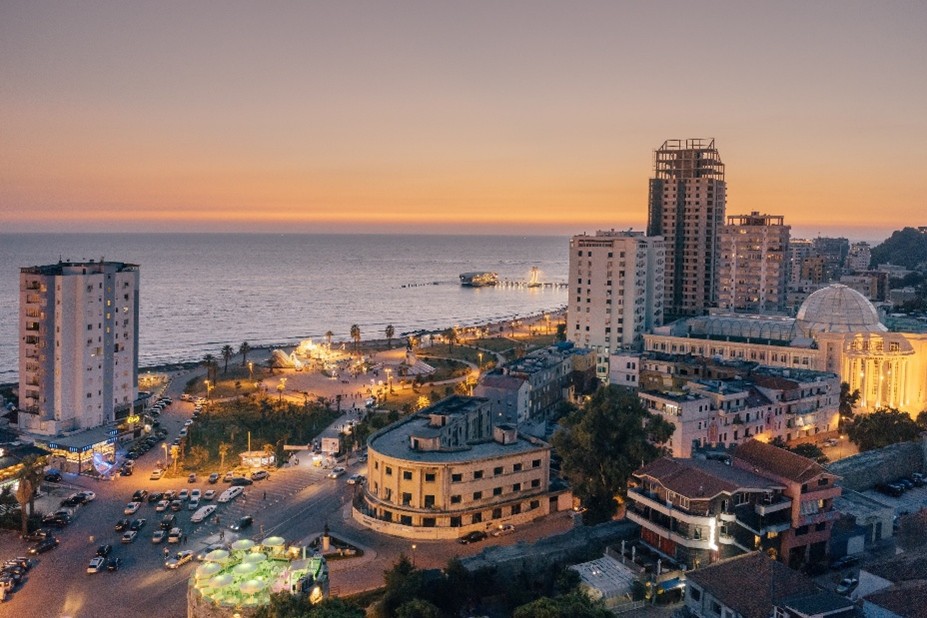
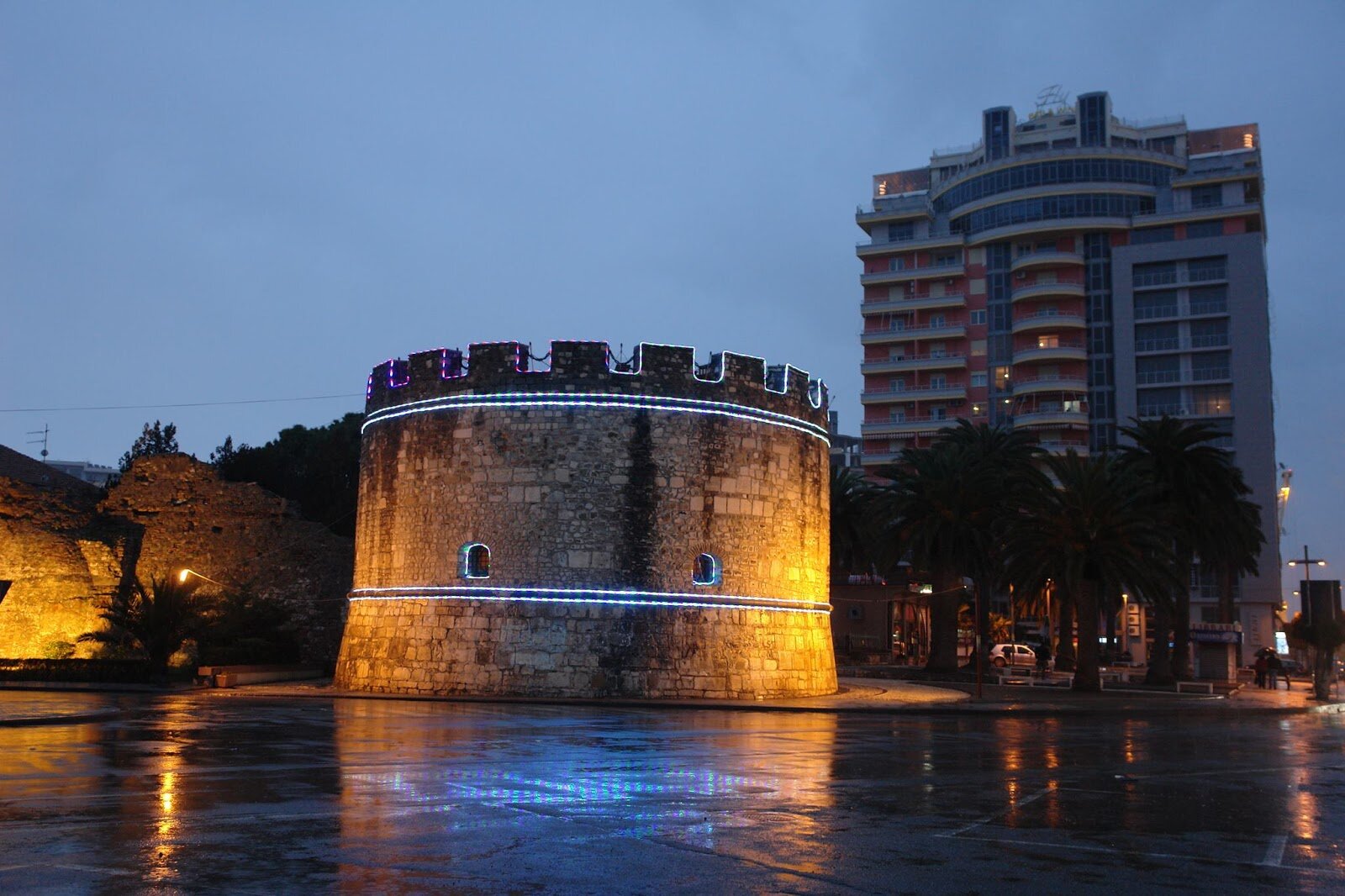
Day 3 Durres - View 1
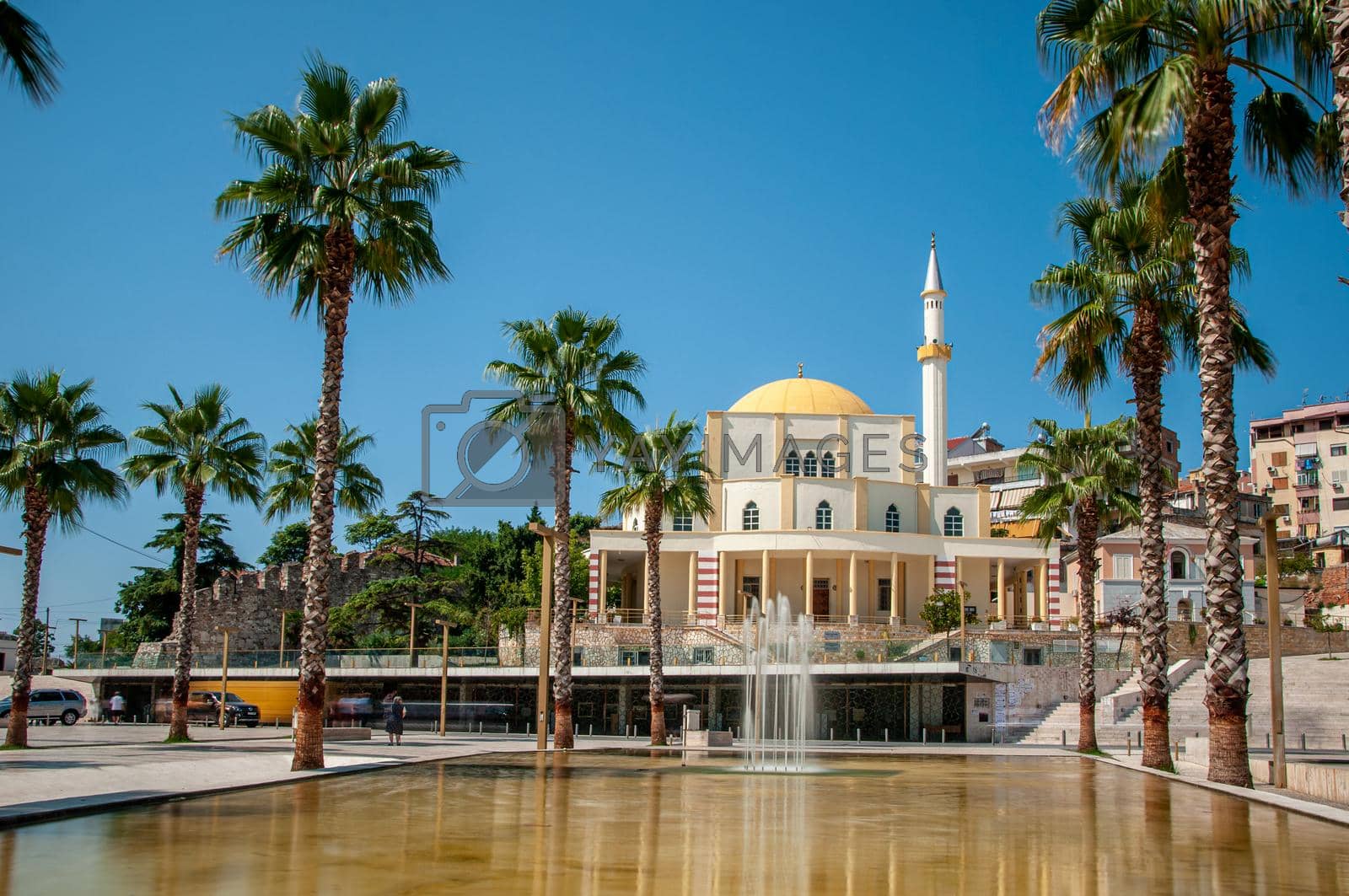
Day 3 Durres - View 2
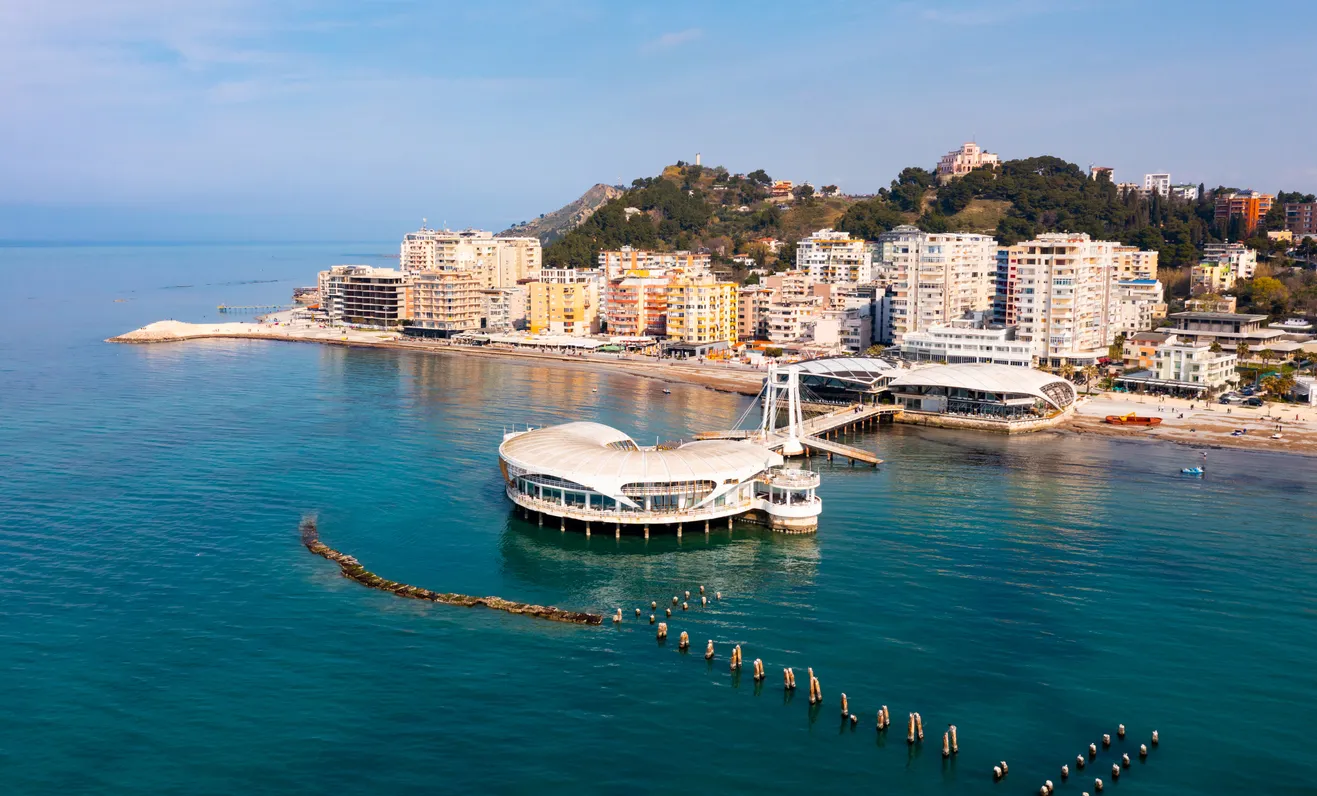
Day 3 Durres - View 3
Day 3 Durres - View 4
Day 3: Tirana - Durres
Distance: 38 km – 55 min.
Trip Duration: 5-6 hours.
Durrës, Albania is a vibrant coastal city and one of the oldest settlements in Albania. It serves as a major port and is the second-largest city in the country. Below is a detailed overview of its history, culture, economy, and attractions:
________________________________________
Geographical Overview
• Location: Located on the Adriatic Sea, about 33 km west of the capital, Tirana.
• Population: Approximately 175,000 inhabitants (2024 estimate).
• Climate: Mediterranean climate with hot, dry summers and mild, wet winters.
________________________________________
Historical Significance
Durrës is one of the oldest cities in Albania, with a history dating back over 2,600 years. It was founded as Epidamnos (or Epidamnus) by Greek colonists from Corfu and Corinth in the 7th century BCE. Later, it became known as Dyrrhachium during Roman times.
Key Historical Milestones:
• Greek Period: Prosperous city-state with strategic importance due to its location.
• Roman Period: Became a crucial stop on the Via Egnatia, connecting Rome with Byzantium (modern-day Istanbul).
• Byzantine and Venetian Eras: Experienced both economic and military significance, with fortifications built to protect it.
• Ottoman Period: Served as a key port but saw gradual decline in influence.
• Modern Era: Played a significant role in Albania's independence movement (1912) and served briefly as the capital of Albania.
________________________________________
Culture and Heritage
Durrës is a cultural hub with a mix of ancient history and modern urban development. The city is known for:
• Archaeological Sites: A wealth of ruins from Greek, Roman, and Byzantine periods.
• Festivals: Hosts various cultural events like the International Film Summerfest and local folk festivals.
• Cuisine: Features Mediterranean and Albanian cuisine, emphasizing fresh seafood, olive oil, and traditional dishes like byrek and tave kosi.
________________________________________
Top Attractions
1. Durrës Amphitheater: Built in the 2nd century CE, it is the largest amphitheater in the Balkans and a testament to Roman engineering.
2. Archaeological Museum: Houses artifacts from the Greek, Roman, and Byzantine periods, including statues, mosaics, and coins.
3. Venetian Tower: A circular tower from the 15th century, part of the city's medieval fortifications.
4. Beachfront Promenade: Lined with cafes, restaurants, and bars, it is a popular spot for locals and tourists.
5. Durrës Castle: Originally built in the Byzantine period, with later Ottoman additions.
6. Royal Villa of Durrës: Once a summer residence for King Zog, now a historic site.
7. Port of Durrës: The largest port in Albania, a bustling area with commercial and tourist activity.
________________________________________
Economy
Durrës is an economic powerhouse due to its strategic location and port facilities.
• Port Activities: Handles the bulk of Albania's maritime trade and ferries to Italy and other Adriatic destinations.
• Tourism: A major driver of the local economy, attracting visitors for its beaches, historical sites, and vibrant nightlife.
• Agriculture and Industry: Surrounding areas are known for olive oil production, wine, and other agricultural products.
________________________________________
Modern Developments
• Urbanization: Rapid development in recent decades with modern infrastructure, hotels, and residential areas.
• Transport: Well-connected to Tirana via highway and rail, with plans for further expansion.
• Maritime Links: Regular ferry services to Bari and Ancona in Italy, boosting international connections.
________________________________________
Challenges
• Overcrowding: Especially during the summer tourist season.
• Urbanization Issues: Unregulated construction has impacted the historical charm in some areas.
• Environmental Concerns: Coastal erosion and pollution are ongoing challenges.
________________________________________
Durrës combines ancient history with modern vibrancy, making it a must-visit destination in Albania. Whether you're a history buff, beach lover, or cultural explorer, Durrës offers something unique for everyone.
4 Day 4 Kruje
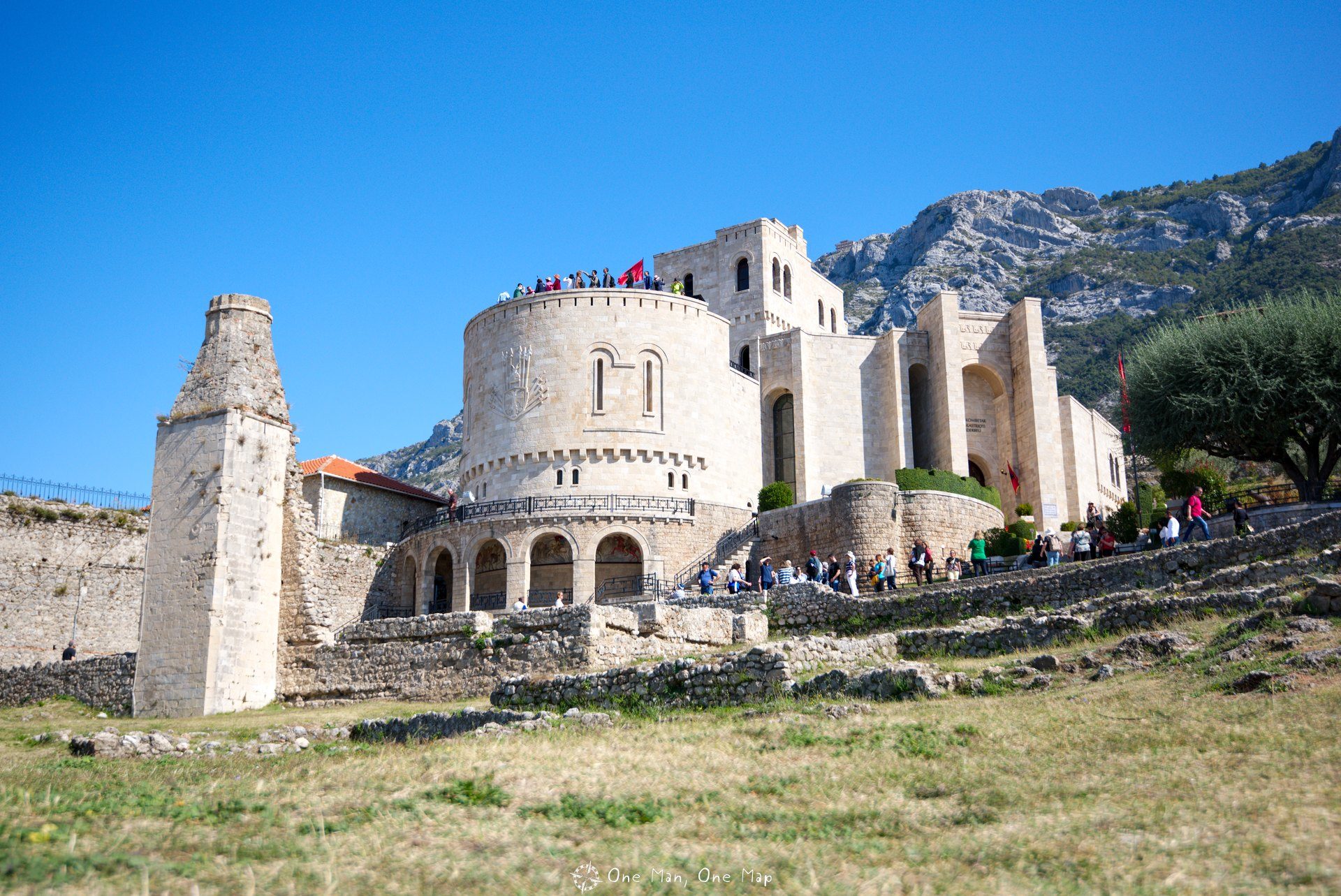
Day 4 Kruje - View 1
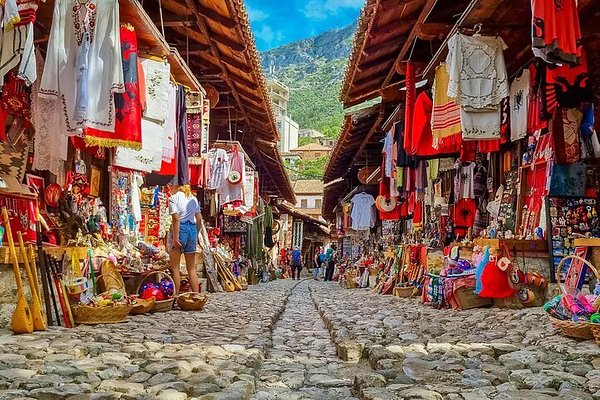
Day 4 Kruje - View 2
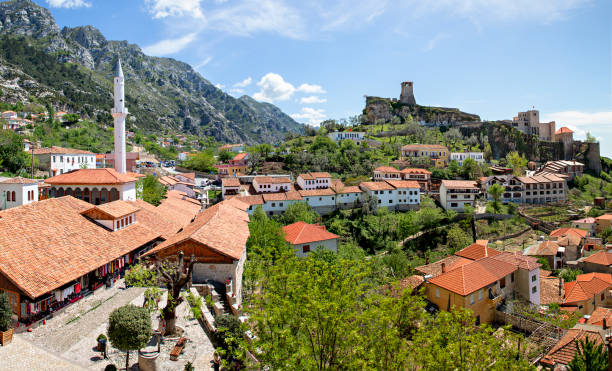
Day 4 Kruje - View 3
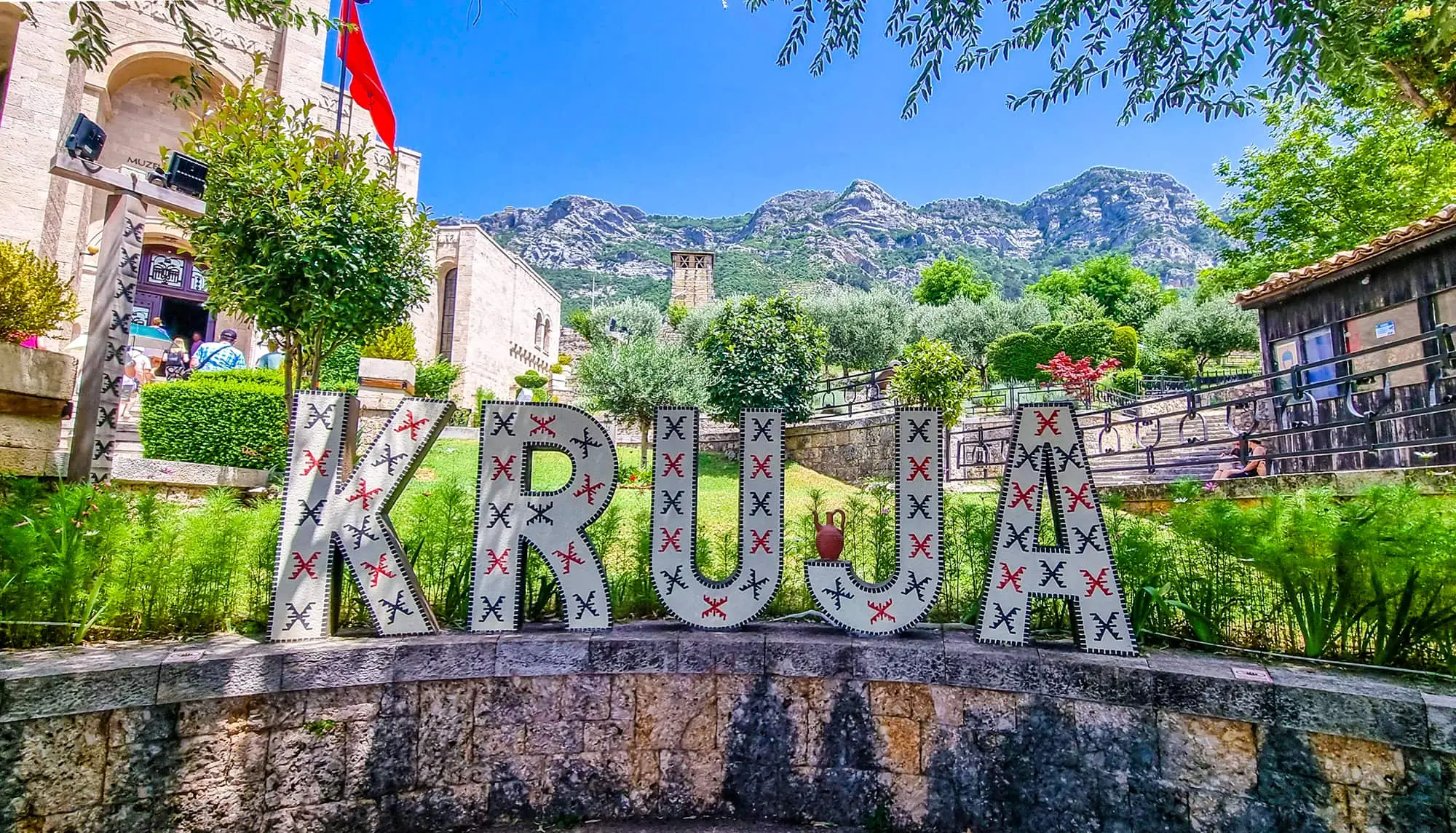
Day 4 Kruje - View 4
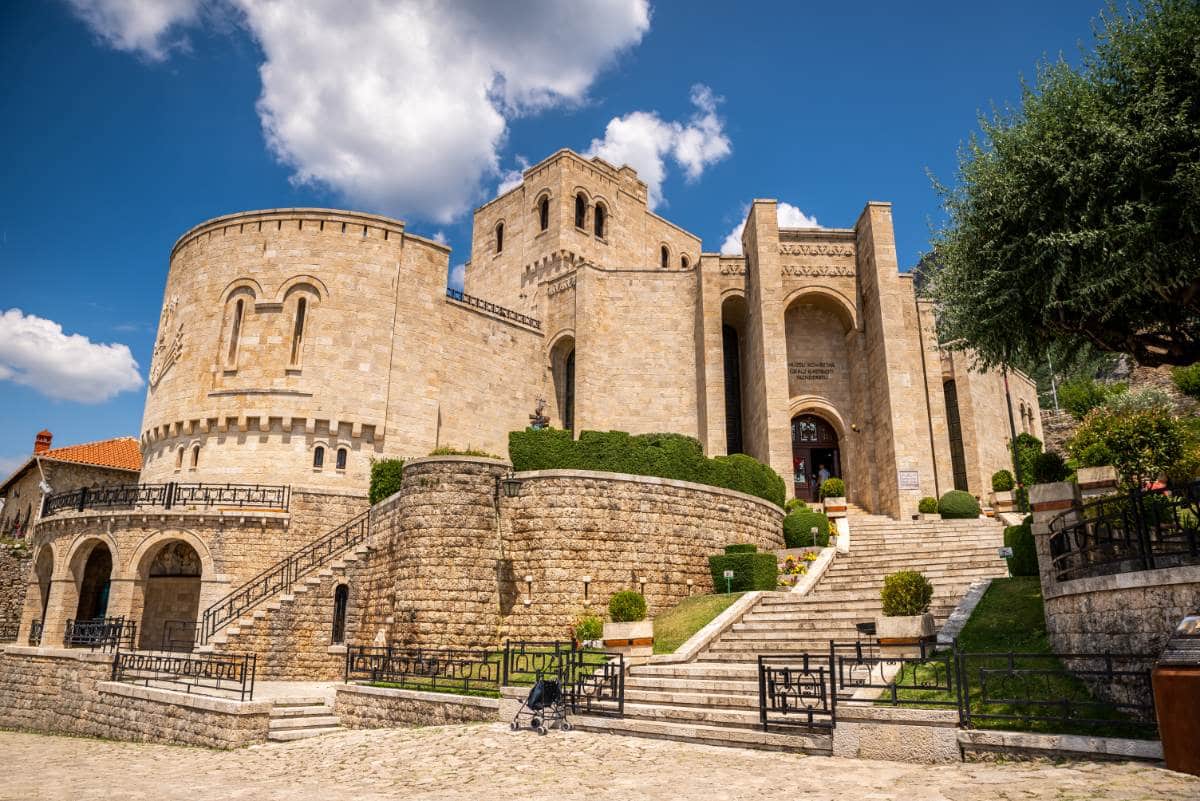
Day 4 Kruje - View 5
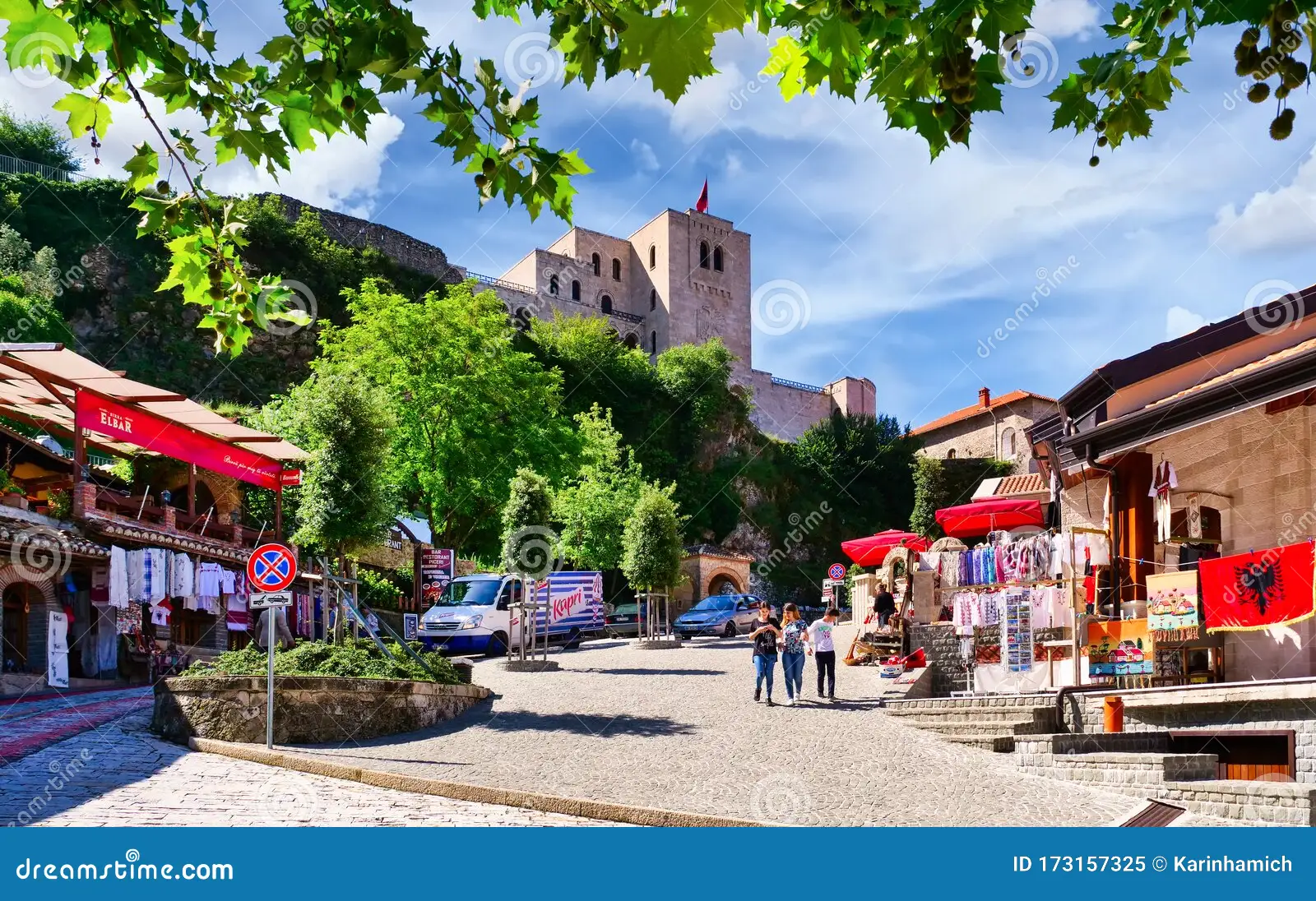
Day 4 Kruje - View 6
Day 4: Tirana - Kruje
Distance: 1 h 5 min. 40 km.
Trip Duration: 8-10 hours.
Kruja, located in central Albania, is a city rich in history, culture, and natural beauty. Known as the "city of the hero," Kruja holds a special place in Albanian history as the birthplace and stronghold of Skanderbeg, the national hero who resisted the Ottoman Empire in the 15th century. Here's a detailed overview of the city:
________________________________________
Geography and Location
• Position: Kruja is situated on the slopes of Mount Krujë, about 20 kilometers (12 miles) north of the capital, Tirana, and 35 kilometers (22 miles) inland from the Adriatic Sea.
• Altitude: The city lies at an elevation of approximately 600 meters (1,968 feet), providing stunning views of the surrounding region.
________________________________________
History
1. Ancient and Medieval Era:
o The city has been inhabited since ancient times and was a significant center for the Illyrians.
o In medieval times, Kruja gained prominence as a fortress town and played a central role during the Albanian resistance against the Ottoman Empire.
2. Skanderbeg’s Legacy:
o In the 15th century, Kruja became the epicenter of Albanian resistance under Gjergj Kastrioti Skanderbeg, who led a series of successful battles against the Ottomans from the Kruja Castle.
o Skanderbeg's leadership established Kruja as a symbol of freedom and national pride.
3. Ottoman Era and Beyond:
o Despite Skanderbeg’s resistance, the Ottomans eventually captured Kruja in 1478, and it remained under Ottoman control for centuries.
o Kruja experienced a revival in the 20th century, becoming a focal point for Albanian nationalism.
________________________________________
Cultural and Historical Attractions
1. Kruja Castle:
o A well-preserved medieval fortress perched on a hill overlooking the city.
o The castle includes the Skanderbeg Museum, which celebrates the hero’s life and legacy.
o The castle grounds also house the Ethnographic Museum, offering insights into traditional Albanian life.
2. Old Bazaar:
o The historic bazaar is a vibrant marketplace with cobblestone streets and wooden stalls.
o Visitors can find traditional Albanian crafts, handmade rugs, antiques, and souvenirs.
3. Teqe of Dollma:
o A 400-year-old Bektashi temple located within the castle grounds, showcasing Albania’s religious and cultural diversity.
4. Nearby Historical Sites:
o The Holy Cave of Sarisalltik: A sacred Bektashi site located on Mount Krujë, offering both spiritual significance and panoramic views.
________________________________________
Natural Attractions
• Mount Krujë: The mountain is popular for hiking and outdoor activities, with trails leading to breathtaking viewpoints.
• Qafë-Shtama National Park: Located nearby, the park is known for its pristine nature, clear springs, and opportunities for eco-tourism.
________________________________________
Culture and Festivals
• Kruja is known for its deep cultural roots, reflected in local music, dance, and traditional Albanian hospitality.
• Festivals celebrating Skanderbeg's achievements and local traditions are held periodically, attracting visitors from across the country.
________________________________________
Economy
• Tourism: Kruja’s historical significance and proximity to Tirana make it a popular destination for domestic and international tourists.
• Artisan Crafts: The Old Bazaar is a hub for traditional Albanian crafts, particularly handmade rugs and filigree jewelry.
• Agriculture: Olive oil production and farming play an essential role in the local economy.
________________________________________
Modern Kruja
• Population: Kruja has a population of around 15,000-20,000 residents.
• Accessibility: The city is well-connected by road to Tirana and other major cities.
• Development: Kruja continues to balance its historical heritage with modern development, focusing on sustainable tourism.
________________________________________
Practical Information for Visitors
• Best Time to Visit: Spring and early autumn offer pleasant weather for exploring outdoor attractions.
• Local Cuisine: Visitors can enjoy traditional Albanian dishes, such as tavë kosi (baked lamb with yogurt) and byrek (savory pies).
• Accommodations: The city offers a range of accommodations, from traditional guesthouses to modern hotels.
________________________________________
Kruja is a must-visit destination for history enthusiasts, nature lovers, and those seeking to explore the rich heritage of Albania. Its historical significance, combined with stunning landscapes, makes it a jewel of the Balkans.
Package Pricing
| Item/Service | Price |
|---|---|
| Tour (1 person) (Tour Guide +Car) | €310.00 |
| Tour (2 persons) (Tour Guide +Car) | €250.00 |
| Tour (3 persons) (Tour Guide +Car) | €199.00 |
| Tour (4 persons) (Tour Guide +Car) | €150.00 |
| Tour (5 persons) (Tour Guide +Car) | €120.00 |
| Tour (6-7 persons) (Tour Guide +Car) | €99.00 |
For an all-day companionship price of the guide €60