Destination Overview
Vlorë, Albania is a coastal city in the southwest of the country, known for its beautiful beaches, rich history, and strategic location along the Adriatic and Ionian Seas. It is the third-largest city in Albania and serves as an important economic and cultural hub.
1 Vlora

Vlora - View 1

Vlora - View 2

Vlora - View 3
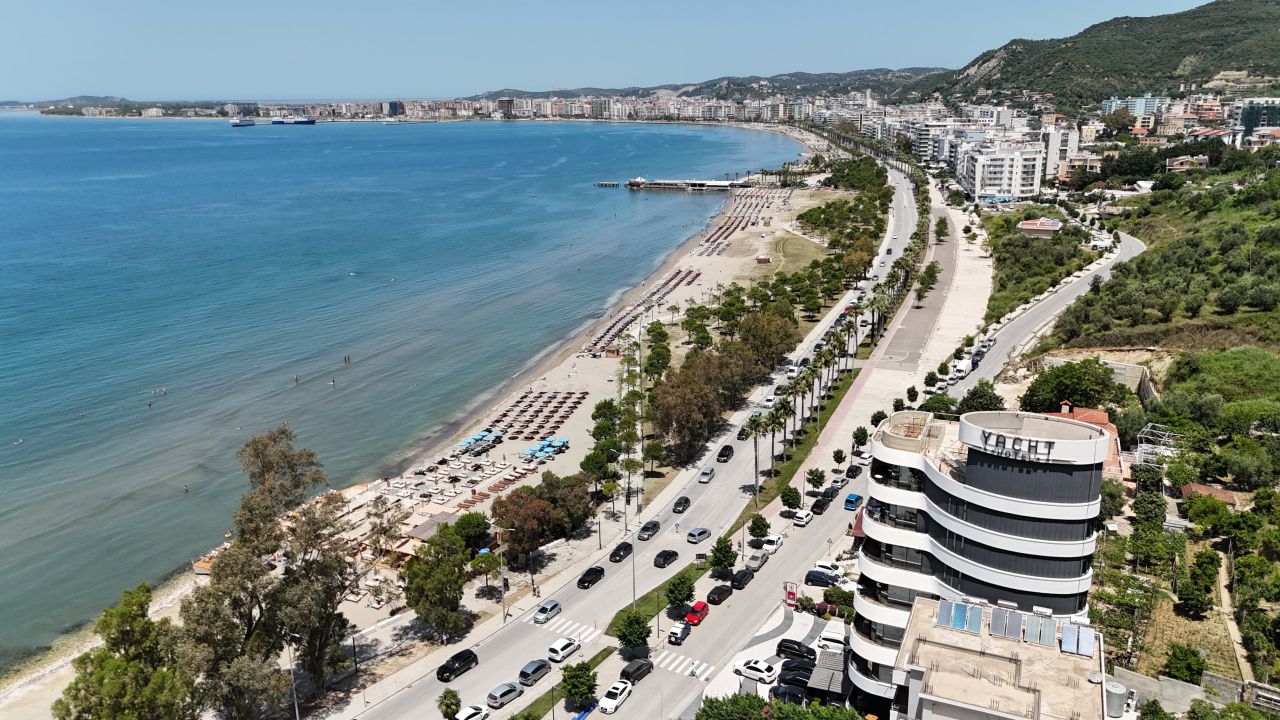
Vlora - View 4

Vlora - View 5
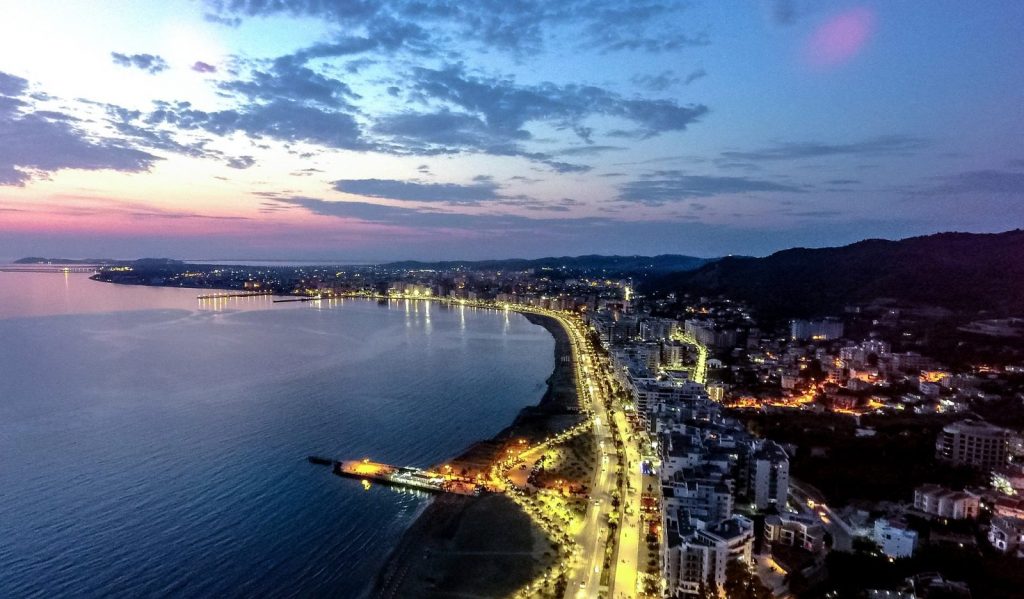
Vlora - View 6

Vlora - View 7

Vlora - View 8

Vlora - View 9
Vlorë, Albania: A Comprehensive Guide
1. Overview
Vlorë (Albanian: Vlora) is a vibrant coastal city in southwestern Albania, located on the shores of the Adriatic and Ionian Seas. It is the third-largest city in the country, with a rich history, stunning beaches, and a growing tourism industry. Vlorë is often considered the gateway to the Albanian Riviera, making it a popular destination for both locals and international visitors.
2. History
Ancient and Medieval Period
- Founded in the 6th century BCE as Aulon, Vlorë was initially a Greek colony and later became part of the Roman and Byzantine Empires.
- During the Middle Ages, the city changed hands multiple times, being controlled by various powers, including the Normans, Venetians, and Ottomans.
- It was an important trading hub due to its strategic coastal location.
Ottoman Rule and Independence
- Under Ottoman rule (15th–20th centuries), Vlorë was an important administrative and military center.
- On November 28, 1912, Albania’s independence was declared in Vlorë, marking a significant turning point in the country’s history. The Independence Monument and Independence Museum commemorate this event.
Modern History
- Vlorë played a role in both World Wars and was briefly occupied by Italy.
- After communism fell in 1991, the city saw rapid urbanization and economic development, becoming a key tourist and trade hub.
3. Geography & Climate
Location
- Situated in southern Albania, about 150 km south of Tirana, the capital.
- Positioned along the Bay of Vlorë, with the Karaburun Peninsula and Sazan Island just offshore.
Climate
- Mediterranean climate (Csa):
- Summers: Hot and dry (25–35°C / 77–95°F)
- Winters: Mild and rainy (7–15°C / 45–59°F)
- The pleasant weather makes it a year-round destination, especially for beachgoers and nature lovers.
4. Economy
Key Sectors
- Tourism: The city's coastal beauty, historical sites, and proximity to the Albanian Riviera fuel its tourism industry.
- Trade & Transportation: The Port of Vlorë is one of Albania’s main ports, handling goods and passengers.
- Fishing & Agriculture: Olives, citrus fruits, and wine production are significant contributors to the local economy.
- Energy & Industry: The Ballsh and Vlorë oil refineries play an important role in Albania’s petroleum sector.
5. Main Attractions & Landmarks
Historical & Cultural Sites
- Independence Monument & Museum – A must-visit to understand Albania’s struggle for independence.
- Muradie Mosque – A beautiful 16th-century Ottoman mosque designed by architect Sinan.
- Kuzum Baba – A hilltop viewpoint with spectacular city and sea views.
Natural Attractions
- Beaches:
- Plazhi i Ri (New Beach) – Popular for its sandy shores and lively promenade.
- Orikum Beach – A quieter spot with crystal-clear waters.
- Narta Lagoon – A serene coastal area, great for birdwatching.
- Karaburun-Sazan National Marine Park – A marine park ideal for diving, snorkeling, and boat trips.
- Llogara Pass & National Park – A stunning mountain pass with breathtaking views, great for hiking and paragliding.
6. Transportation
How to Get to Vlorë
- By Car: Easily accessible via the SH8 highway from Tirana or the Albanian Riviera.
- By Bus: Regular bus services connect Vlorë to Tirana, Durrës, Sarandë, and other cities.
- By Train: Limited rail services exist, but buses and cars are the preferred modes of travel.
- By Ferry: Seasonal ferries to Italy (Brindisi).
Getting Around
- Taxis & Buses: Available, but taxis are the most convenient option.
- Car & Bike Rentals: Ideal for exploring the nearby coastline and mountains.
7. Cuisine & Local Food
Vlorë offers a mix of Albanian, Mediterranean, and Italian-influenced cuisine, with an emphasis on seafood.
Must-Try Dishes
- Peshk i freskët (Fresh fish) – Grilled or baked, served with lemon and olive oil.
- Tavë kosi – A traditional Albanian dish made with lamb and yogurt sauce.
- Byrek – A flaky pastry filled with cheese, spinach, or meat.
- Baklava – A sweet, nut-filled pastry popular in Albania.
8. Events & Festivals
- Independence Day (Nov 28) – Celebrations and parades in honor of Albania’s independence.
- Summer Fest – A lively music and cultural festival held on the beaches of Vlorë.
- Wine & Olive Festivals – Showcasing the region’s agricultural specialties.
9. Best Time to Visit
- Summer (June–August) – Best for beachgoers and nightlife lovers.
- Spring (April–June) & Fall (September–October) – Great for sightseeing, hiking, and enjoying mild weather.
- Winter (November–March) – Less crowded, good for cultural tourism.
10. Conclusion
Vlorë is a dynamic mix of history, nature, and modern development, offering something for every traveler. Whether you’re interested in history, beaches, adventure, or food, this city has it all. It’s a must-visit destination in Albania, especially for those exploring the southern coastline.
Would you like recommendations on accommodations or specific activities in Vlorë? 😊